
Oral Health and Heart Disease: What to Know
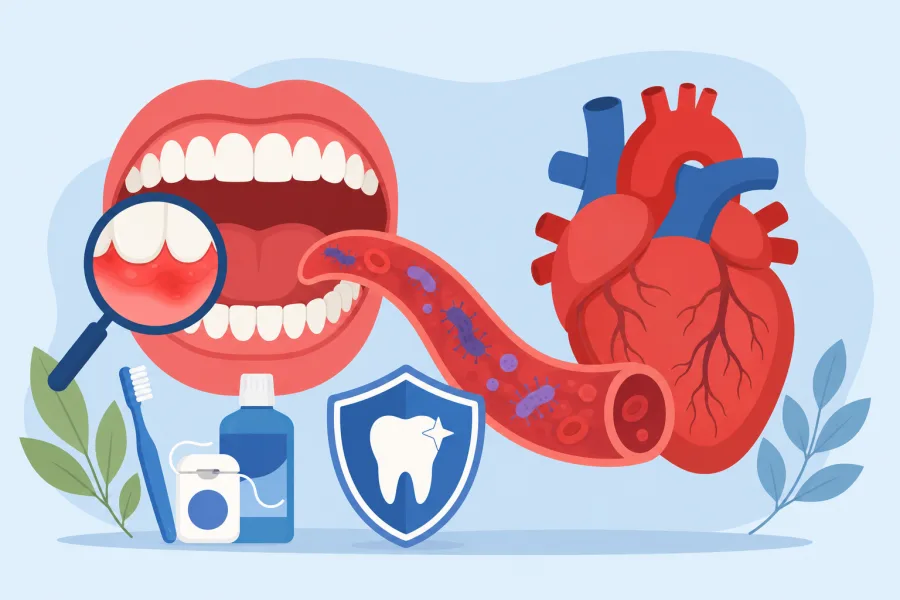
For decades, medicine treated dental health and cardiovascular wellness as separate, unrelated physiological domains. Today, extensive medical research has uncovered a profound, direct bidirectional link connecting chronic oral infections with cardiovascular disease. The mouth does not exist in isolation; it functions as a primary portal to the bloodstream. When periodontal disease or untreated dental abscesses fester within the jaw, pathogenic oral microbes and pro-inflammatory cytokines enter systemic circulation, directly threatening arterial integrity and heart valve health.
At Oral and Facial Surgery of Miami, board-certified oral and maxillofacial surgeon Dr. Johanny Caceres works closely with cardiologists and primary care physicians to manage oral infections in patients with pre-existing heart conditions. Understanding the biological mechanisms linking periodontal disease to cardiac complications underscores why eliminating chronic oral pathology is essential for lifelong cardiovascular protection.
The Biological Link: Bacteremia and Endothelial Inflammation
Periodontal disease is characterized by chronic ulceration of the gingival sulcular epithelium. In a patient with moderate to severe periodontitis, the total surface area of microscopic pocket ulcerations can equal the surface area of an adult palm. Every time an individual chews food, brushes their teeth, or flosses, high concentrations of pathogenic bacteria, such as Porphyromonas gingivalis and Treponema denticola, breach the compromised capillaries and enter the bloodstream.
Once circulating throughout the cardiovascular system, these bacteria latch onto vulnerable vascular endothelial walls. Porphyromonas gingivalis possesses specialized fimbriae that allow it to invade endothelial cells, triggering a localized immune response. The vascular tissue produces adhesion molecules that attract circulating monocytes and low-density lipoproteins, accelerating the formation and maturation of atherosclerotic plaques inside coronary arteries.
Systemic Cytokines and Atherosclerotic Plaque Instability
Beyond direct bacterial invasion, chronic oral infections drive systemic inflammatory burden. When periodontal tissues remain inflamed, host immune cells continuously produce inflammatory cytokines, including interleukin-1, interleukin-6, and tumor necrosis factor-alpha. These circulating messengers stimulate the liver to produce elevated levels of high-sensitivity C-reactive protein, a well-established clinical marker for cardiovascular event risk.
Elevated C-reactive protein levels and circulating matrix metalloproteinases degrade the collagen caps stabilizing existing arterial plaques. When an atherosclerotic cap weakens and ruptures, a thrombus forms immediately, blocking arterial blood flow and triggering an acute myocardial infarction or ischemic stroke. Eliminating active oral infections significantly lowers systemic C-reactive protein levels, stabilizing the vascular endothelium.
| Cardiovascular Condition | Oral Pathological Trigger | Biological Mechanism | Clinical Preventative Strategy |
|---|---|---|---|
| Coronary Artery Disease | Severe chronic periodontitis | P. gingivalis accelerates arterial plaque buildup | Deep periodontal debridement and hygiene maintenance |
| Infective Endocarditis | Oral bacteremia during dental bleeding | Streptococcal colonization of artificial or damaged valves | Targeted antibiotic prophylaxis prior to procedures |
| Myocardial Infarction | Systemic C-reactive protein elevation | Cytokine-driven destabilization of arterial plaque caps | Surgical extraction of non-restorable infected teeth |
| Hypertension | Microvascular endothelial stiffness | Nitric oxide depletion caused by oral inflammatory markers | Comprehensive oral rehabilitation and infection clearance |
Special Considerations for Cardiac Patients Undergoing Oral Surgery
Patients diagnosed with heart conditions, including previous valve replacements, congenital heart defects, or stent placements, require meticulous surgical planning before oral procedures. For individuals with high-risk cardiac lesions, the American Heart Association recommends antibiotic prophylaxis thirty to sixty minutes prior to surgical tooth extractions or bone grafting to prevent infective endocarditis.
In addition, many cardiac patients take anticoagulant or antiplatelet medications such as warfarin, apixaban, or clopidogrel. Managing these medications requires close interdisciplinary coordination between your cardiologist and oral surgeon. In most dental surgical scenarios, modern local hemostatic agents, including collagen sponges, oxidized cellulose, and precise surgical suturing, allow procedures to proceed safely without discontinuing essential blood thinners.
Comprehensive Surgical Evaluation in Coral Gables
Protecting cardiovascular longevity begins with resolving chronic oral infections. Ignoring bleeding gums, loose teeth, or recurring toothaches places unnecessary inflammatory stress on your heart. Comprehensive periodontal therapy, timely surgical extraction of failed teeth, and stable tooth replacement restore systemic harmony and protect arterial wellness.
At Oral and Facial Surgery of Miami, Dr. Johanny Caceres provides advanced surgical care with comprehensive medical oversight in a fully accredited surgical suite equipped for continuous cardiac monitoring. To discuss safe surgical treatment options tailored to your medical history, contact our surgical team at (305) 552-1193 or request an appointment online.