
Obstructive sleep apnea (OSA) is a progressive sleep-related breathing disorder characterized by recurrent collapse of the upper pharyngeal airway during sleep. When the base of the tongue and soft palate sag against the posterior pharyngeal wall, airflow drops or ceases entirely, triggering episodic hypoxemia and hypercapnia. Patients endure fragmented sleep cycles punctuated by nocturnal choking, loud snoring, and frequent awakenings that leave them chronically fatigued. Left unmanaged, severe sleep apnea causes systemic endothelial dysfunction, elevated systemic blood pressure, cardiac arrhythmias, and increased stroke incidence. At Oral and Facial Surgery of Miami, board-certified oral and maxillofacial surgeon Dr. Johanny Caceres provides advanced surgical evaluations in Coral Gables to restore continuous airway patency when non-surgical therapies fail.
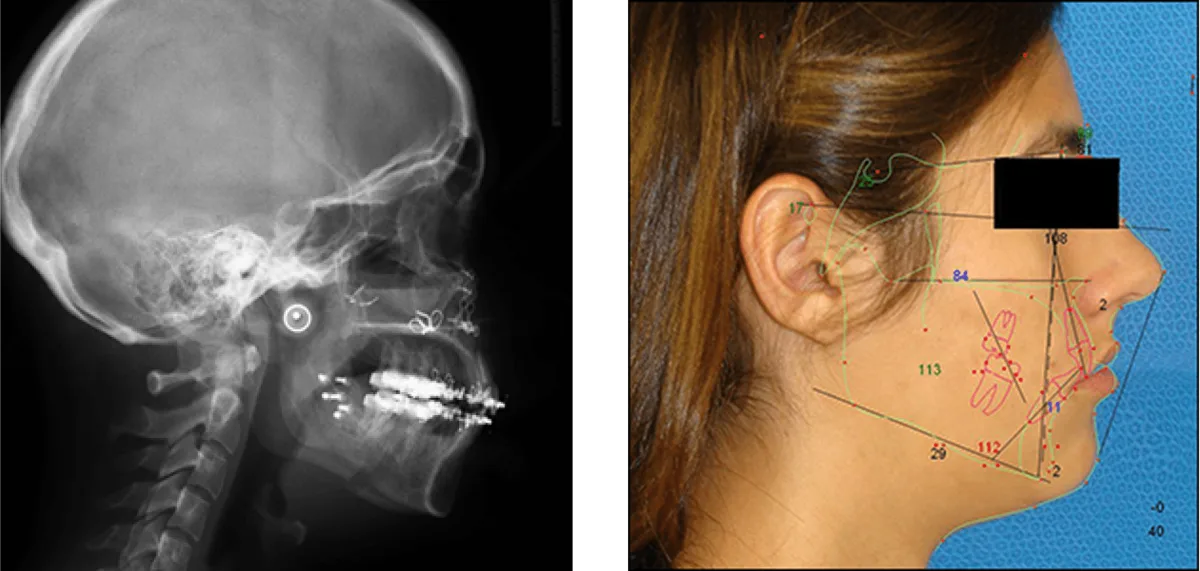
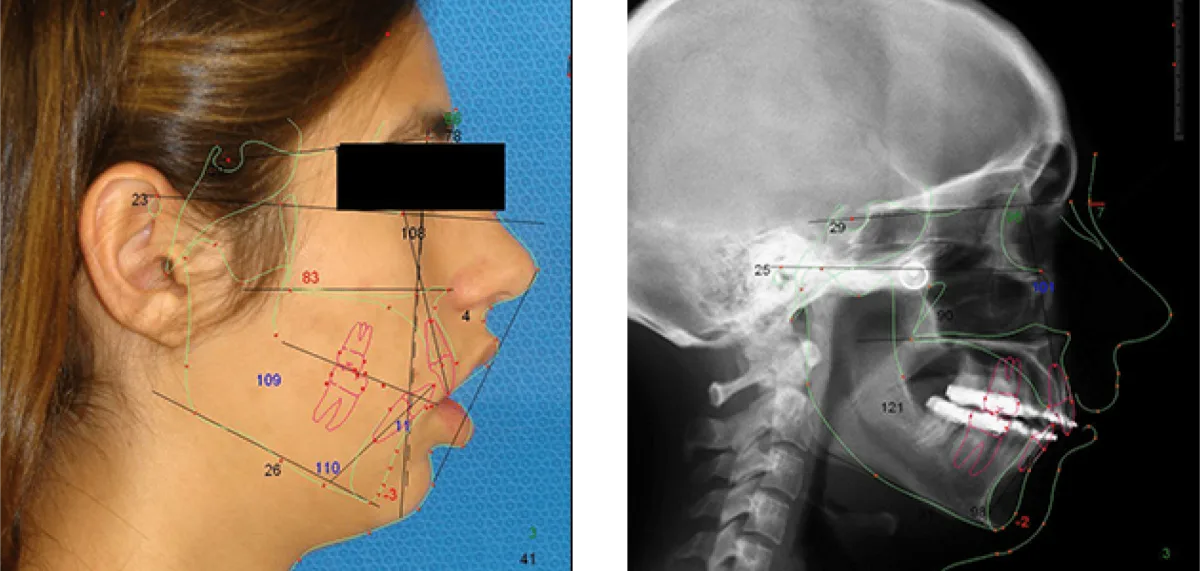
Pathophysiology of Obstructive Sleep Apnea and Airway Collapse
Pharyngeal collapse occurs because the human upper airway lacks rigid cartilaginous support between the hyoid apparatus and the base of the skull. During rapid eye movement (REM) sleep, motor tone within the genioglossus, tensor veli palatini, and pharyngeal constrictor muscles drops markedly. In patients with structural retrognathia, micrognathia, or narrow maxillary arches, the skeletal housing fails to hold these muscular structures forward. As negative inspiratory pressure increases against a restricted lumen, surrounding soft tissues seal together, precipitating complete airway occlusion.
These repetitive apneic events create sympathetic nervous system surges. The brain registers declining peripheral oxygen saturation and forces micro-arousals to reactivate airway dilator muscles. While these arousals save the individual from asphyxiation, they interrupt restorative slow-wave sleep. Patients experience severe morning headaches, neurocognitive deficits, daytime drowsiness, and metabolic dysregulation that resistant hypertension protocols cannot alleviate without restoring physical airway space.
Maxillomandibular Advancement and Skeletal Expansion
Maxillomandibular advancement (MMA) represents the most definitive surgical intervention for obstructive sleep apnea. Unlike soft tissue resections that solely address superficial mucosal excess, MMA systematically repositions both the upper jaw (maxilla) and lower jaw (mandible) forward by eight to twelve millimeters. By advancing the anterior skeletal framework, the attached velopharyngeal tissues, suprahyoid musculature, and base of the tongue are drawn forward, permanently widening the hypopharyngeal and retroglossal airway dimensions.
Dr. Johanny Caceres executes maxillomandibular advancement utilizing precision Le Fort I osteotomy and bilateral sagittal split osteotomy (BSSO). Rigid internal fixation plates and biocompatible titanium screws secure the jaws in their corrected forward coordinates without requiring prolonged intermaxillary fixation (wiring the jaws shut). In select clinical indications, ancillary expansion procedures or anterior inferior border genioplasty with genioglossus advancement are integrated to maximize tongue projection away from the pharyngeal column.
| Treatment Modality | Anatomical Target | Clinical Mechanism | Long-Term Airway Stability |
|---|---|---|---|
| CPAP Therapy | Total pharyngeal column | Pressurized air pneumatically stents open airway tissues | Effective only during active use; poor patient adherence rates |
| Oral Appliances | Mandible and tongue base | Mechanical forward positioning using dental splints | Moderate relief in mild cases; can induce occlusal bite changes |
| Soft Tissue Surgery (UPPP) | Uvula and soft palate | Surgical excision of redundant palatal folds | Variable success; leaves retroglossal obstruction untreated |
| MMA Skeletal Surgery | Maxilla, mandible, and hyoid | Skeletal jaw advancement expanding upper airway volume | Permanent curative anatomical relief exceeding 85 to 90 percent |
Diagnostic 3D Airway Imaging and Surgical Anesthesia Safety
Accurate surgical planning relies on high-resolution cone beam computed tomography (CBCT) imaging and virtual surgical simulation. Three-dimensional volumetric modeling visualizes the minimum cross-sectional area of the pharynx, identifying whether collapse predominates at the retropalatal or retroglossal boundary. Dr. Caceres combines digital cephalometric data with polysomnography records to quantify the apnea-hypopnea index (AHI) and nadir oxygen desaturation levels before designing an individualized movement vector.
Because obstructive sleep apnea patients possess vulnerable upper airways, anesthetic delivery demands specialized care. Surgical procedures are conducted under general anesthesia with fiber-optic video intubation and real-time hemodynamic tracking. Post-anesthesia emergence protocols emphasize airway security, oxygen stability, and multimodal non-opioid analgesics to ensure patient comfort while avoiding respiratory depression during the immediate post-operative window.
Post-Surgical Healing, Sleep Study Validation and Curative Outcomes
Recovery following skeletal airway surgery proceeds in structured biological phases. Patients follow a soft nutritional regimen for four to six weeks while initial bony consolidation occurs across the osteotomy sites. Swelling peaks within the first forty-eight hours and resolves progressively through targeted cold therapy, elevation, and gentle mouth rinses. Most individuals resume light daily activities within ten to fourteen days, experiencing noticeable increases in daytime energy as nocturnal air exchange improves.
Post-operative validation occurs between three and six months following surgery through repeat polysomnography. Clinical trials and retrospective cohorts consistently demonstrate that maxillomandibular advancement achieves curative reductions in the apnea-hypopnea index, often eliminating the requirement for CPAP masks permanently. To explore whether you are a candidate for surgical airway correction, schedule a comprehensive consultation with Dr. Johanny Caceres at Oral and Facial Surgery of Miami by calling (305) 552-1193 or using our online booking form.
Ready for your visit?
Our surgical team performs all procedures under local anesthesia, nitrous oxide, or IV sedation in Coral Gables.