
Sleep Dentistry for Wisdom Tooth Removal: Is It Right?
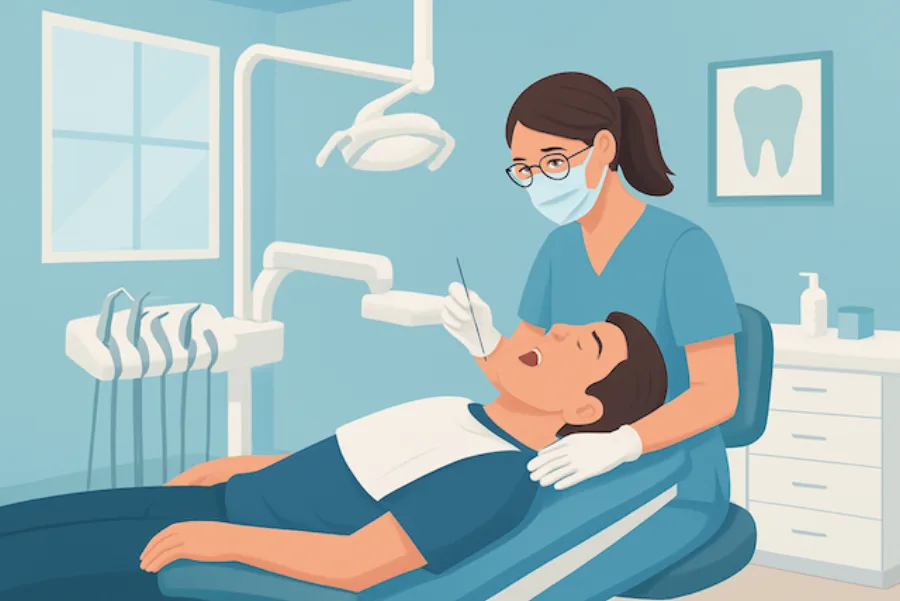
Dental fear is one of the most widespread phobias in modern society, preventing countless individuals from receiving the surgical care they need. When faced with wisdom tooth removal, the prospect of hearing surgical instruments, feeling mechanical pressure, or sitting awake through an operation can cause overwhelming stress. Fortunately, sleep dentistry transforms wisdom tooth extraction into a serene, comfortable, and completely pain-free experience.
At Oral and Facial Surgery of Miami, board-certified oral and maxillofacial surgeon Dr. Johanny Caceres offers advanced outpatient intravenous (IV) sedation. Discovering how sleep dentistry works empowers you to choose the ideal level of comfort for your surgical procedure.
What Is Sleep Dentistry? Inhalation, Oral, and IV Twilight Sedation
The term sleep dentistry is widely used by the public, but medically it encompasses a spectrum of pharmacological sedation techniques designed to induce relaxation, alleviate anxiety, and produce surgical amnesia.
For surgical procedures involving impacted wisdom teeth, intravenous (IV) twilight sedation represents the premier standard of care. Unlike nitrous oxide gas or oral sedatives that merely take the edge off mild nerves, IV sedation allows medication to enter the bloodstream directly. This allows Dr. Caceres to titrate medication levels in real time, easing you into a deep sleep where you maintain your own natural airway reflexes while remaining completely oblivious to the surgery itself.
| Sedation Modality | Depth of Relaxation | Amnesia Level | Ideal Patient Profile |
|---|---|---|---|
| Nitrous Oxide Gas | Mild relaxation, fully conscious | None; full memory of sights and sounds | Mildly anxious patients having simple single extractions |
| Oral Sedatives (Pills) | Moderate drowsiness, conscious | Partial or patchy memory recall | Mild to moderate anxiety, needle phobia |
| Intravenous Twilight Sedation | Deep sleep-like state, completely relaxed | Total amnesia of the entire surgical visit | Impacted wisdom teeth, strong gag reflex, high fear |
| Hospital General Anesthesia | Complete unconsciousness, intubation | Complete absence of consciousness | Extensive orthognathic jaw reconstruction or severe trauma |
Clinical Candidates: Who Benefits Most from Sedation?
While almost any patient requiring surgical third molar removal can benefit from sedation, specific clinical scenarios make it particularly advantageous:
Severe Dental Anxiety and Phobia: Patients who have experienced past dental trauma often suffer intense panic in clinical settings. Sleep dentistry eliminates psychological distress completely.
Complex Bony Impactions: Removing four horizontally impacted molars involves delicate bone contouring and tooth sectioning. Sitting still and comfortable through an hour of complex surgery is far easier while asleep.
Hyperactive Gag Reflex or Small Mouth Opening: Patients with sensitive gag reflexes or restricted jaw mobility often struggle during posterior dental work. Sedation relaxes pharyngeal muscles and jaw tension, allowing safe, unhindered surgical access.
Hospital-Grade Monitoring and Specialist Safety Standards
Patient safety is the highest clinical priority during any surgical sedation procedure. Oral and maxillofacial surgeons complete dedicated hospital anesthesiology training alongside medical anesthesiologists, equipping them with the expertise to administer deep sedation and manage unexpected airway or cardiac variations.
In our surgical center, Dr. Caceres utilizes modern hospital-grade physiological monitoring arrays. Your heart rhythm (ECG), blood pressure, pulse oximetry (oxygen saturation), and capnography (exhaled carbon dioxide) are monitored continuously by certified surgical assistants from the moment sedation begins until you are fully awake.
Outpatient Sleep Dentistry Protocols at OFS Miami
Undergoing sleep dentistry at Oral and Facial Surgery of Miami is structured for maximum comfort and peace of mind. Patients follow simple pre-operative guidelines: fasting for eight hours prior to arrival and bringing a trusted adult companion to drive them home.
After a brief, gentle IV placement, you will drift peacefully to sleep. When you wake up, your procedure will be finished, and your mouth will be completely numb from long-acting local anesthetics, ensuring you remain comfortable as you head home to rest.
Overcome dental anxiety with gentle, board-certified sleep dentistry. Call Oral and Facial Surgery of Miami today at (305) 552-1193 or book your consultation online today.