
Are Dental Implants Worth It?
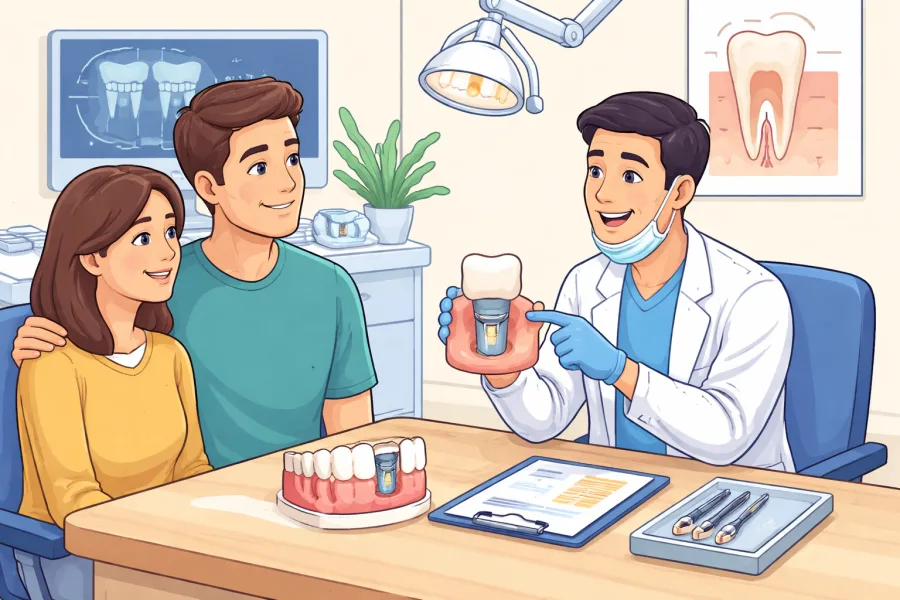
When facing tooth loss, choosing how to restore your smile is one of the most consequential healthcare decisions you will make. Modern dentistry provides several options, including removable partial dentures, fixed dental bridges, and surgically placed dental implants. Because implants require a surgical procedure and carry a higher initial price tag, patients frequently ask an understandable question: are dental implants truly worth the investment?
For the vast majority of patients, the clinical and functional answer is an emphatic yes. Dental implants do not just fill an empty space in your smile; they replace the complete biological root structure of the missing tooth. To understand why implants deliver unparalleled value, we must look beyond the immediate price tag and examine their long-term clinical performance, biological protection, and impact on daily living.
The True Clinical Value: Natural Function, Bone Stimulation, and Esthetics
Unlike superficial replacements that rest on top of gum tissue, a dental implant consists of a medical-grade titanium fixture placed directly into the alveolar bone. Over several months, bone cells fuse to the titanium surface through a biological process called osseointegration. This creates an anchor as sturdy as a healthy natural tooth root:
- Uncompromised Chewing Strength: Removable dentures restore only about 20 to 30 percent of natural biting force, forcing patients to eliminate fibrous meats, crunchy vegetables, and crisp fruits from their diet. Dental implants restore 85 to 95 percent of natural bite power, allowing you to eat whatever you enjoy without hesitation.
- Preservation of Facial Bone Structure: When a natural tooth root is lost, the surrounding jawbone loses the daily chewing stimulation it requires to stay dense. Within the first year alone, bone width can decrease by 25 percent, eventually leading to collapsed lips and a prematurely aged appearance. Implants provide constant mechanical stimulation, permanently preventing bone resorption.
- Protection of Adjacent Healthy Teeth: Placing a traditional three-unit bridge requires cutting down the enamel of two completely healthy neighboring teeth to serve as bridge anchors. Implants stand independently, leaving adjacent teeth untouched and structurally intact.
Comparing Lifetime Costs: Dental Implants vs. Bridges and Dentures
When evaluating whether implants are worth it, considering the 20-year cost horizon provides crucial financial perspective. Traditional alternatives may appear cheaper initially, but they accumulate significant recurring costs over time:
- Dental Bridges: A bridge typically lasts 7 to 10 years before the anchor teeth succumb to recurrent decay beneath the margins or require root canal therapy. Replacing a failed bridge often necessitates a larger 4-unit bridge or subsequent extractions, multiplying your long-term dental bills.
- Removable Dentures: Because the jawbone shrinks continuously under dentures, the appliances loosen over time, requiring routine relining every one to two years and total replacement every five to seven years, along with the recurring expense of cleaning solutions and adhesives.
- Dental Implants: With diligent home hygiene and regular professional checkups, titanium implant posts have documented success rates exceeding 95 to 98 percent over 25 years, frequently lasting a lifetime. While crowns may need minor maintenance after 10 to 15 years, the permanent surgical foundation remains intact.
Weighing the Investment: Surgical Healing, Candidacy, and Expectations
To decide if implants are right for you, it is equally important to understand what the surgical process entails:
- Surgical Procedure: Placement is an outpatient procedure performed under local anesthesia or comfortable IV sedation. Most patients are pleasantly surprised by how gentle the recovery is, experiencing mild soreness that resolves within two to three days using over-the-counter pain relief.
- Healing Timeline: The osseointegration period takes three to four months. While this requires patience compared to the quick turnaround of a partial denture, the result is a permanent tooth replacement that never shifts, clicks, or requires messy paste.
- Bone Volume Requirements: If you have experienced bone loss since losing your tooth, a minor preparatory bone graft or sinus lift can rebuild the site, ensuring a secure foundation before implant placement.
Transforming Your Oral Health with Dr. Johanny Caceres in Coral Gables
Ultimately, dental implants are worth the investment because they restore the freedom to eat, speak, and laugh without second-guessing your teeth. At Oral & Facial Surgery of Miami, board-certified oral and maxillofacial surgeon Dr. Johanny Caceres provides advanced digital implant planning using 3D cone-beam CT technology for precision outcomes.
Our team provides clear, transparent fee estimates and works with most PPO dental plans and healthcare financing partners to make your care accessible. To learn whether you are a candidate for dental implants, Contact Oral and Facial Surgery of Miami today at (305) 552-1193 or schedule your comprehensive consultation online.