
Can You Smoke or Vape After Wisdom Tooth Removal?
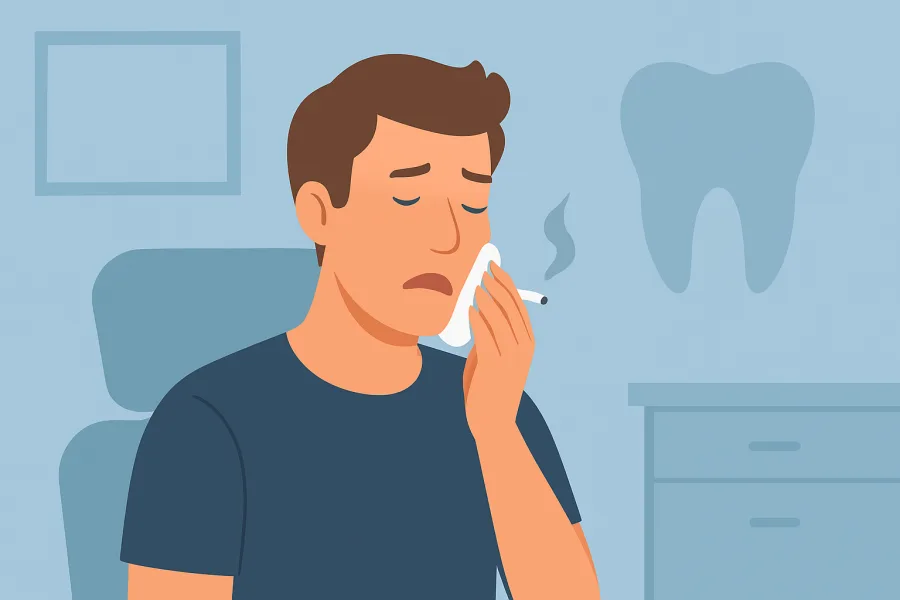
Third molar extraction is a routine surgical procedure, but the speed and comfort of your recovery depend heavily on how you protect your surgical sites during the first week. For patients who smoke cigarettes, use vape devices, or consume cannabis, abstaining from inhalation habits can feel like a formidable challenge. However, lighting a cigarette or drawing on an e-cigarette too soon remains the single highest predictor of severe post-operative surgical failure.
The biological mandate is straightforward: you must avoid all smoking, vaping, and oral inhalation for a minimum of 72 hours, and ideally for seven to ten full days following surgery. At Oral and Facial Surgery of Miami in Coral Gables, Dr. Johanny Caceres provides chairside strategies to help patients manage nicotine cravings safely while protecting their healing extraction sockets.
1. The Biomechanics of Inhalation: Negative Pressure, Vasoconstriction, and Clot Lysis
Following an extraction, your body immediately forms a delicate platelet and fibrin meshwork inside the socket. This blood clot seals exposed alveolar bone, shields sensitive sensory nerves, and serves as the biological matrix for osteogenesis. Inhaling smoke or vapor unleashes a destructive combination of mechanical suction and biochemical toxicity:
- Negative Intraoral Atmospheric Pressure: The physical act of drawing smoke or vapor into your lungs creates a vacuum inside your oral cavity. This negative suction exerts a mechanical pull directly on the alveolar socket, dislodging the fragile blood clot. Once the clot is pulled out, the underlying bone is exposed to ambient air and bacteria, causing the excruciating agony of alveolar osteitis (dry socket).
- Severe Microvascular Vasoconstriction: Nicotine rapidly enters the bloodstream, stimulating epinephrine release and causing acute peripheral vasoconstriction. Capillary blood flow to the healing gums and alveolar bone drops by up to 50 percent, starving granulating tissue of oxygen, immunoglobulins, and vital nutrients needed for cellular mitosis.
- Carbon Monoxide Hypoxia: Combustible smoke introduces carbon monoxide, which binds preferentially to hemoglobin, drastically reducing systemic oxygen delivery to the surgical site during the most critical cellular repair phase.
- Thermal Damage and Chemical Cytotoxicity: Hot combustion smoke and chemical additives in vape aerosols irritate raw mucosal margins, inducing acute inflammation and stalling soft-tissue re-epithelialization.
2. Vaping, E-Cigarettes, and Nicotine Pouches: Debunking the Safety Myth
A widespread misconception among younger adults is that vaping represents a harmless alternative to traditional smoking after oral surgery because it does not produce combustion smoke. From a surgical standpoint, this belief is entirely incorrect. Electronic nicotine delivery systems generate equivalent, and often higher, levels of negative intraoral suction compared to conventional cigarettes. Tight airflow restrictors on pod systems actually require greater suction effort, multiplying the mechanical risk of clot avulsion.
In addition, modern vape e-liquids deliver highly concentrated nicotine salts that induce persistent microvascular spasms in oral tissues. The chemical carrier agents, propylene glycol and vegetable glycerin, draw moisture out of oral mucosa, creating severe xerostomia (dry mouth). Saliva provides essential antimicrobial protection and buffering enzymes; when oral tissues become parched, bacterial colonization surges.
Nicotine pouches (such as modern synthetic oral pouches) also carry severe risks. Placing a concentrated chemical pouch directly against or near healing gum tissue creates localized tissue ischemia, caustic chemical burns on granulating wound margins, and introduces foreign particulate debris directly into the surgical socket.
3. Nicotine and Inhalation Risk Profile: Clinical Comparison Table
Comparing the biological hazards of various nicotine and inhalation methods reveals why traditional substitutes still endanger your surgical recovery:
| Habit / Method | Primary Hazard Mechanism | Dry Socket Incidence | Minimum Safe Abstinence |
|---|---|---|---|
| Combustible Cigarettes | Negative pressure suction, high thermal heat, carbon monoxide | Over 12x higher than non-smokers | Minimum 7 to 10 days |
| Vape Pods & E-Cigarettes | Restricted airflow suction, aerosol chemical toxins, mucosal drying | Over 8x higher than non-users | Minimum 7 to 10 days |
| Cannabis / Herbal Inhalation | Heavy suction, intense heat, violent coughing spasms | Over 10x higher than baseline | Minimum 7 to 10 days |
| Transdermal Nicotine Patch | Zero oral suction, zero heat, zero oral mucosal exposure | Baseline surgical risk | Safe on Day 1 (apply to arm or torso) |
4. Managing Cravings and Recovery with Dr. Johanny Caceres in Coral Gables
If you rely heavily on nicotine, abruptly stopping on the day of surgery can cause agitation, mood swings, and intense physical cravings that complicate your recovery. Dr. Johanny Caceres recommends preparing an evidence-based harm-reduction plan before your surgical appointment:
- Switch to Transdermal Nicotine Patches: Applying an over-the-counter transdermal patch to your arm, shoulder, or chest delivers a steady, controlled dose of nicotine without creating oral suction, heat, or mucosal exposure.
- Avoid Nicotine Gum and Lozenges: Chewing gum pulls on suture knots and jaw muscles, while medicated lozenges concentrate chemical irritants right around raw incisions.
- Maintain Oral Hydration: Drink plenty of room-temperature water directly from an open cup to keep oral tissues hydrated and speed up the clearing of metabolic waste.
- Identify Early Warning Signs of Dry Socket: If you accidentally inhaled and notice excruciating, throbbing jaw pain radiating to your ear, bad breath, or an empty grey-looking socket on post-op days three to five, seek immediate surgical care.
At Oral and Facial Surgery of Miami, our clinical team treats dry socket promptly with gentle irrigation and soothing medicated dressings that deliver instant relief. If you have questions about managing nicotine during recovery or wish to discuss sedation options for an upcoming extraction, call (305) 552-1193 or book your consultation online today.