
Foods That Strengthen Teeth and What Harms Them
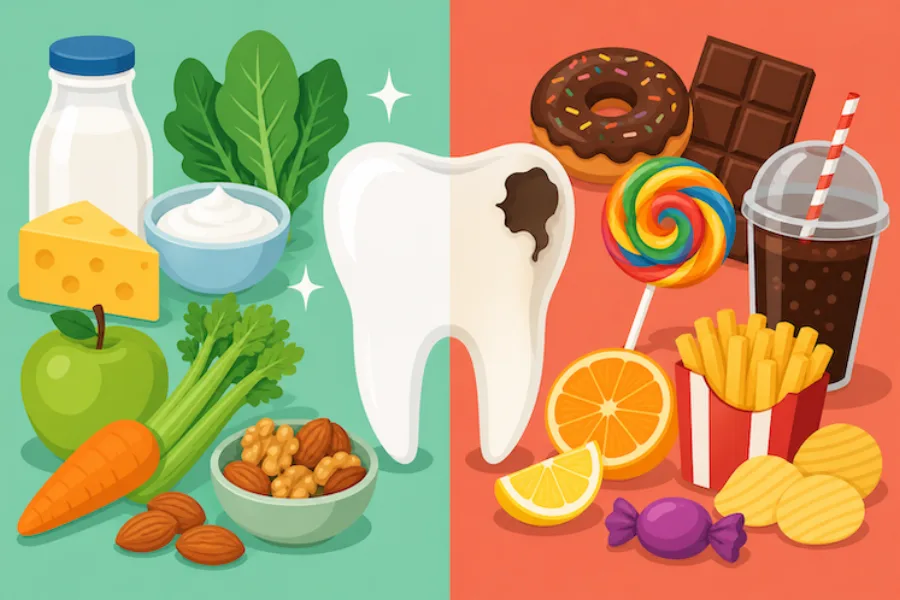
Your teeth are not inert stones; they are living biological structures constantly engaged in dynamic chemical exchanges with your oral environment. Every meal, snack, and beverage either supplies essential minerals to fortify the enamel lattice or deposits acids that dissolve it. Understanding the biochemistry of nutrition empowers you to choose foods that actively strengthen teeth while steering clear of hidden dietary hazards.
At Oral and Facial Surgery of Miami, board-certified oral and maxillofacial surgeon Dr. Johanny Caceres treats advanced tooth decay, structural root fractures, and severe bone loss. Exploring how daily nutrition influences tooth longevity helps you maintain a resilient, beautiful smile throughout your life.
Biochemical Remineralization: Calcium, Phosphate, and Vitamin D
Tooth enamel is ninety-six percent mineralized, composed primarily of crystalline calcium hydroxyapatite. Throughout the day, microscopic minerals leach out during acid challenges and are subsequently restored by saliva. For remineralization to occur, your diet must supply adequate concentrations of calcium and phosphorus.
Dairy products like aged cheeses, plain yogurt, and milk are exceptional sources of bioavailable calcium. In addition, aged cheeses contain casein phosphopeptides, which bind to tooth surfaces and buffer acidic pH drops. Vitamin D is equally indispensable: without adequate calcitriol, your digestive tract cannot absorb dietary calcium, resulting in weakened alveolar bone density and porous enamel.
| Food Classification | Biochemical Impact on Oral Biology | Representative Dietary Examples | Clinical Enamel Protection Strategy |
|---|---|---|---|
| Dairy & Mineral Rich | Supplies calcium and phosphate ions for remineralization | Aged cheddar, Swiss cheese, plain Greek yogurt | Consume as a dessert finisher to rapidly neutralize acids |
| Fibrous Raw Produce | Mechanically sweeps plaque; stimulates protective saliva | Raw carrots, crisp celery sticks, fresh apples | Chew thoroughly after lunch to clear food residues |
| Acidic Beverages | Lowers oral pH below 5.5, stripping hydroxyapatite | Colas, sports energy drinks, citrus lemon water | Drink through a straw; rinse immediately with plain water |
| Sticky Fermentable Carbs | Adheres inside grooves, feeding bacteria for hours | Gummy candies, dried fruit snacks, potato chips | Limit frequency; floss thoroughly within thirty minutes |
Salivary Stimulators and Fibrous Plaque Sweepers
Saliva is your body's most effective natural defense against dental decay. Chewing crisp, fibrous raw vegetables like carrots and celery acts as a natural mechanical toothbrush, gently scrubbing tooth surfaces and dislodging loose food particles before bacteria can ferment them.
The physical act of chewing crunch-rich foods also stimulates salivary glands, generating a high-volume flow of saliva rich in bicarbonate. Bicarbonate buffers harmful acids, elevating oral pH back to a safe neutral level (around 7.0) within minutes of eating. In addition, green and black teas contain natural polyphenols that suppress the growth and adhesion of Streptococcus mutans.
Acidic and Viscous Sugars: The Primary Enamel Destroyers
Certain food categories represent severe threats to dental enamel. Carbonated sodas, sports drinks, and commercial energy beverages combine high concentrations of refined sugar with citric and phosphoric acids. Their pH often registers between 2.5 and 3.5, which dissolves enamel on contact regardless of oral hygiene.
Equally damaging are sticky, adhesive carbohydrates such as dried cranberries, gummy treats, and potato chips. When chewed, starch transforms into sticky paste that wedges tightly into deep occlusal grooves and interdental spaces. Because saliva cannot easily penetrate these packed food plugs, bacteria continue producing destructive lactic acid for hours directly against the tooth surface.
Long-Term Dental Protection and Restorative Surgery at OFS Miami
Nutritional awareness is vital for maintaining natural teeth, but advanced dental breakdown can occur from past dietary damage, genetic factors, or sudden physical trauma. At our practice, Dr. Johanny Caceres provides advanced surgical restorative options in Coral Gables.
When a tooth is cracked, fractured, or compromised beyond repair by deep decay, our team performs atraumatic extractions with ridge preservation. We restore full functional chewing capacity with state-of-the-art dental implants placed under gentle IV twilight sedation. Permanent implants integrate seamlessly into bone, providing a lifetime of chewing strength and aesthetic confidence.
Protect your smile with specialized oral surgical care. Contact Oral and Facial Surgery of Miami at (305) 552-1193 or schedule your consultation online today.