
Dental Anxiety: How to Overcome Fear of the Dentist
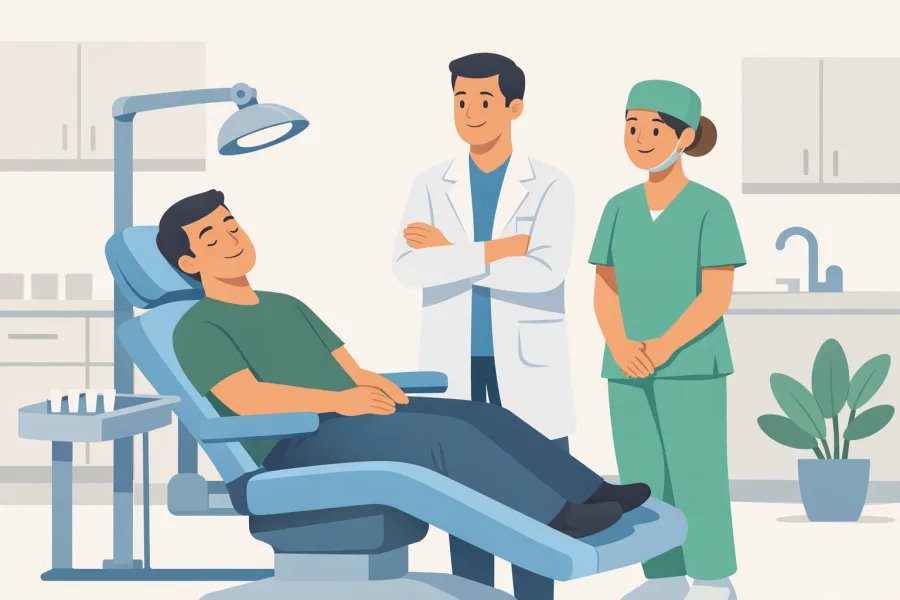
For millions of adults, the simple thought of sitting in a dental chair triggers a rapid heartbeat, sweating palms, and an overwhelming sense of dread. Dental anxiety is far more than being slightly nervous; for many patients, it represents a profound psychological barrier that causes them to cancel appointments, endure chronic dental pain in silence, and avoid essential oral healthcare for years. Over time, minor dental issues that could have been resolved easily escalate into severe infections and structural tooth loss.
The most important truth for anxious patients to hear is that you are not alone, and you do not have to endure pain or panic to restore your oral health. Modern oral and maxillofacial surgery has evolved dramatically, offering hospital-grade sedation techniques and compassionate care that render procedures completely stress-free. At Oral and Facial Surgery of Miami in Coral Gables, Dr. Johanny Caceres provides a gentle, judgment-free clinical sanctuary designed specifically for anxious patients.
1. The Neurobiology of Dental Fear: Triggers, Reflexes, and Avoidance
Dental anxiety is not an irrational weakness; it is an involuntary neurobiological response rooted in deep-seated physiological triggers:
- The Vulnerability Reflex: Reclining backward in a dental chair while an operator works inside your mouth directly stimulates primitive fight-or-flight survival mechanisms. The perceived loss of physical control and close proximity to your airway can provoke acute panic in patients who have experienced past trauma.
- Sensory and Acoustic Conditioning: The high-frequency pitch of rotary dental handpieces, the smell of eugenol, and the sight of surgical instruments trigger vivid memories of previous painful childhood appointments.
- Dental Shame and Embarrassment: Patients who have avoided dental care for years often feel intense embarrassment regarding the condition of their teeth. Fear of being judged or reprimanded by a healthcare provider frequently keeps them from making that first phone call.
- Hyperactive Gag Reflexes: Severe gag reflexes often produce intense phobic anxiety, as patients worry they will suffocate during clinical impressions or posterior tooth treatment.
2. Hospital-Grade Sedation: How Specialist Care Eliminates Fear
One of the greatest advantages of seeking treatment with a board-certified oral and maxillofacial surgeon is their specialized anesthesia training. Unlike general dental clinics that are limited to local numbing injections or laughing gas, oral surgeons complete extensive hospital rotations in anesthesiology, qualifying them to administer deep intravenous sedation in an outpatient setting.
Under IV conscious sedation (often called "twilight sleep"), medications such as midazolam, propofol, and fentanyl are delivered directly into the bloodstream under continuous vital sign monitoring. Anxious thoughts dissolve within seconds. You enter a state of profound relaxation where you remain breathing naturally and comfortably, yet you feel zero pain, hear zero unpleasant sounds, and retain virtually zero memory of the procedure once the medications clear.
3. Sedation Options for Dental Anxiety: Clinical Comparison Table
Understanding the spectrum of sedation available allows you to choose the level of comfort that best matches your personal anxiety:
| Sedation Level | Method of Delivery | Patient Awareness Level | Procedural Recall & Recovery |
|---|---|---|---|
| Nitrous Oxide ("Laughing Gas") | Inhaled through a nasal mask | Fully awake, mildly relaxed, responsive | Full procedural memory; clears in minutes; patient can drive home |
| Oral Conscious Sedation | Prescription sedative pill taken prior to visit | Drowsy, calm, reduced emotional response | Partial memory; lingering grogginess; companion required for transport |
| Intravenous (IV) Sedation | Intravenous medication titrated by oral surgeon | Deep twilight sleep; completely unaware of surgery | Total amnesia of the procedure; smooth awakening; escort required |
| General Anesthesia | Full unconsciousness with advanced airway support | Completely unconscious and unresponsive | Reserved for complex reconstructive hospital cases; escort required |
4. Compassionate, Judgment-Free Care with Dr. Johanny Caceres in Coral Gables
At Oral and Facial Surgery of Miami, overcoming dental anxiety begins long before any procedure takes place. Dr. Johanny Caceres and our entire surgical team believe that empathy and communication are just as vital as surgical skill. When you visit our Coral Gables practice:
- No Lectures, No Judgment: Regardless of how long it has been since your last dental appointment or the current condition of your mouth, you will be met with respect, warmth, and compassion.
- You Retain Total Control: During treatment consultations, Dr. Caceres establishes clear stop signals (such as raising your left hand), ensuring that you have the power to pause at any moment.
- Calming Surgical Environment: Our modern surgical suites are quiet, private, and equipped with noise-canceling headphones and relaxing amenities to soothe your senses.
- Clear Procedural Explanations: Every step is explained in straightforward, comforting language, eliminating the fear of the unknown.
You do not have to live with dental pain or let fear dictate your oral health. Contact Oral and Facial Surgery of Miami at (305) 552-1193 or book your consultation online today today to experience comfortable, anxiety-free surgical care.