
How to Prepare Your Teen for Wisdom Tooth Removal
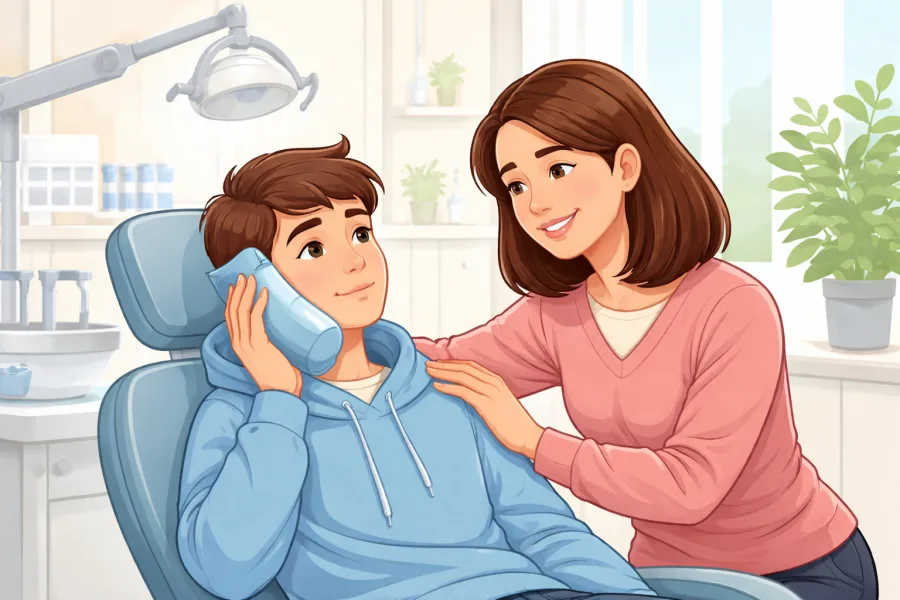
Helping your teenager navigate their first major surgical procedure can be a stressful experience for any parent. Between balancing high school academics, sports schedules, and social activities, hearing that your teen needs their wisdom teeth extracted often raises immediate questions. Parents wonder about the safest timing, how to manage post-surgical discomfort, and how to ease their teen's natural nervousness without creating unnecessary worry.
At Oral and Facial Surgery of Miami, board-certified oral and maxillofacial surgeon Dr. Johanny Caceres treats hundreds of adolescents every year. Guiding your teenager through proactive preparation, clear dietary planning, and structured recovery ensures their wisdom tooth extraction is smooth, comfortable, and completely stress-free.
Why the Teenage Years Are the Optimal Surgical Window
Oral surgeons consistently recommend evaluating wisdom teeth between the ages of 16 and 19. During late adolescence, third molars are in their prime stage for uncomplicated removal. The tooth crowns have fully developed, but root structures are only one-half to two-thirds formed, meaning their tips are blunt and remain situated far above the sensitive inferior alveolar nerve canal.
In addition, a teenager's jawbone is pliable, cancellous, and highly vascularized, allowing the surgeon to gently deliver the tooth with minimal bone removal. Teens also enjoy peak physiological healing kinetics, meaning they bounce back from surgery significantly faster than older adults. Scheduling the extraction during a planned school break (such as summer, winter recess, or spring vacation) ensures your teen can rest for three to five days without falling behind on coursework or athletic commitments.
| Recovery Phase | Parent Caregiver Role | Teen Patient Guidelines |
|---|---|---|
| Pre-Op Day (NPO Fasting) | Enforce strict 8-hour fasting window; zero food or water | Wear loose, short-sleeved clothing; leave jewelry at home |
| Day 1 (Surgery Day) | Administer prescribed anti-inflammatories; apply cold packs 20 min on/off | Rest with head elevated; avoid spitting, rinsing, or using straws |
| Days 2 to 3 (Peak Swelling) | Provide nutrient-rich pureed meals and ensure full hydration | Gentle warm salt water mouth rinses after meals; no vigorous exercise |
| Days 4 to 7 (Active Healing) | Monitor socket hygiene; transition to soft chewable foods | Resume school activities; avoid crunchy chips, nuts, and popcorn |
Pre-Surgical Preparation: Logistics, Fasting, and Mental Reassurance
Preparation begins well before you arrive at our surgical facility. The most critical clinical safety rule for patients undergoing intravenous sedation is strict NPO fasting. Your teenager must have absolutely nothing to eat or drink (including water, chewing gum, or mints) for at least eight hours prior to their appointment time. An empty stomach prevents pulmonary aspiration during anesthesia.
Equally important is providing emotional reassurance. Many teenagers feel intimidated by medical settings or worry about being completely helpless. Validate their feelings, explain that they will sleep peacefully through the entire visit without feeling any pain, and reassure them that you will be right by their side in recovery when they awaken.
Stocking the Home Recovery Station: Nutrition, Ice, and Comfort
Set up your teen's recovery area the evening before surgery so they can settle directly into bed when they return home:
- High-Protein Soft Foods: Stock up on Greek yogurt, smooth fruit purees, blended protein shakes, lukewarm bone broths, and scrambled eggs. Emphasize that all smoothies and drinks must be consumed with a spoon or cup; drinking through a straw creates negative suction that dislodges protective blood clots.
- Cold Compress Rotation: Have two to four flexible gel ice packs ready in the freezer. Applying cold therapy to the cheeks for 20 minutes on and 20 minutes off during the first 48 hours dramatically curbs facial swelling.
- Head Elevation Pillows: Stack two or three extra pillows to keep your teen's head elevated above their heart, which reduces capillary throbbing and minimizes morning swelling.
- Scheduled Pain Management: Staying ahead of discomfort is essential. Begin administering the recommended alternating doses of ibuprofen and acetaminophen before local numbing completely fades.
Expert Surgical Care and Parent Guidance at OFS Miami
At our practice, we treat your family with the same gentle, attentive care we would want for our own children. Dr. Johanny Caceres uses low-dose 3D CBCT diagnostics to plan your teen's procedure with sub-millimeter precision, minimizing tissue manipulation and shortening recovery times.
With customized outpatient IV sedation, clear post-operative instructions, and direct clinical availability for any parent questions, we ensure your teenager's wisdom tooth experience is seamless and positive.
Prepare your teen for a healthy, confident smile. Contact Oral and Facial Surgery of Miami today at (305) 552-1193 or schedule your consultation online today.