
Wisdom Tooth Pain Relief: When to Use Ice vs Heat
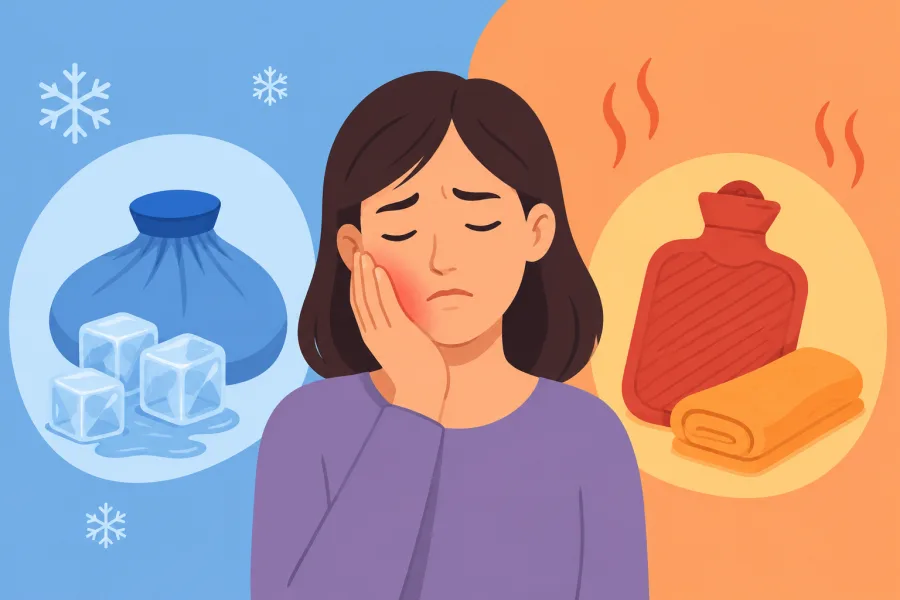
When throbbing pain radiates through the back of your jaw, reaching for an ice pack or a heating pad is almost reflexive. Thermal therapy is one of the most effective, drug-free ways to control oral discomfort, but using the wrong temperature at the wrong stage of tissue inflammation can inadvertently make your pain worse. Whether your third molars are actively erupting through the gumline or you are recovering from recent surgical removal, understanding the biological differences between cold and heat allows you to target your symptoms with surgical precision.
At Oral & Facial Surgery of Miami, Dr. Johanny Caceres routinely guides patients through both pre-operative symptom management and rapid post-operative healing. Knowing exactly when to chill irritated tissues and when to soothe tight jaw muscles with warmth ensures you recover comfortably without triggering unnecessary swelling or delays.
1. The Biology of Temperature: How Cold and Warmth Affect Facial Tissues
Applying temperature changes to the face alters blood flow and cellular metabolism in fundamentally opposing ways. To choose the right therapy, you need to know which physiological process your tissues require at that exact moment.
Cryotherapy (Cold Application): Cold acts as a potent local vasoconstrictor. By narrowing microscopic arterioles and capillaries in the cheek and gum tissues, ice reduces the volume of fluid escaping into surrounding interstitial spaces. This directly blunts tissue edema (swelling) and down-regulates local inflammatory mediators such as prostaglandins and histamines. Furthermore, cold cools sensory nerve fibers, slowing down synaptic conduction velocity and producing a natural, localized numbing effect that relieves sharp, throbbing pain.
Thermotherapy (Heat Application): Heat produces the exact opposite vascular response: vasodilation. Expanding blood vessels brings a rich influx of oxygen, antibodies, and cellular repair factors while clearing accumulated metabolic waste products. Heat also increases the elasticity of collagen fibers, soothing hypertonic masseter and temporalis muscles that lock up during wisdom tooth flare-ups or prolonged surgical mouth opening. However, applying heat while active inflammation is peaking will flood the surgical site with extra fluid, drastically exacerbating facial puffiness.
| Clinical Scenario | Best Modality | Clinical Mechanism & Expected Benefit |
|---|---|---|
| First 24 to 48 Hours After Surgery | Ice Only | Constricts vessels to limit peak edema, minimizes internal hematoma formation, and numbs raw surgical sites. |
| Acute Pericoronitis (Swollen Gum Flap) | External Cold | Dampens sharp inflammatory swelling outside the cheek; pair with warm gentle saltwater rinses internally. |
| Day 3 and Beyond (Post-Extraction Stiffness) | Moist Warmth | Stimulates local perfusion, accelerates reabsorption of residual bruising, and relaxes cramped masticatory muscles. |
| Jaw Trismus (Inability to Open Wide) | Moist Warmth | Relieves severe muscle guarding around the temporomandibular joint, allowing gentle stretching and jaw mobilization. |
2. The 48-Hour Transition: Navigating the Golden Rules of Post-Op Care
For patients recovering from wisdom tooth extraction, following a structured thermal timeline is essential for keeping facial swelling to an absolute minimum. Facial edema naturally reaches its biological peak between 48 and 72 hours post-procedure before the body begins clearing cellular debris.
Phase 1: Hours 0 to 48 (Aggressive Cold Therapy). Immediately following surgery, place ice packs or gel compresses against the exterior of your jaw adjacent to the surgical sites. Follow a strict rhythm of 20 minutes on, followed by 20 minutes off. This resting interval prevents frostbite or reflex vasodilation, where tissues overcompensate by dilating vessels if kept chilled for too long. Under no circumstances should you apply warm compresses to the face during this initial two-day window, as warmth will dramatically worsen cheek swelling.
Phase 2: Day 3 and Beyond (The Warmth Transition). Once the 48-hour mark passes, the biological window for preventing swelling closes. Now your goal shifts to clearing accumulated edema and softening stiff jaw muscles. Switch from ice packs to gentle, moist heat, such as a warm damp washcloth, hot water bottle wrapped in a towel, or specialized thermal gel pack. Apply warmth for 15 to 20 minutes three to four times daily. The increased microcirculation speeds tissue regeneration and helps you open your mouth comfortably again.
3. Safe Application Protocols: Protecting Sensitive Skin and Tissues
While thermal remedies seem straightforward, improper application can cause cutaneous burns or tissue damage. This is particularly crucial after oral surgery because local anesthetics can leave facial skin partially numb for several hours, dulling your temperature perception.
Always Use a Protective Barrier: Never place bare ice or a direct heating element against your skin. Wrap frozen gel packs, ice bags, or heating pads in a soft cotton towel or pillowcase. This prevents cryo-burns (frostbite) and heat blister injuries.
Embrace Moist Heat Over Dry Heat: When transitioning to warmth, moist heat penetrates deeper into dense muscle tissue than dry electric heating pads. A damp towel microwaved to a comfortable, test-tested temperature or a moist heating compress delivers far superior relaxation to the masseter muscle without dehydrating your skin.
Mind the South Florida Climate: If you are recovering in Miami or South Florida, remember that ambient humidity and outdoor heat can dilate facial blood vessels. Stay indoors in an air-conditioned environment during the first 72 hours of recovery. Heading outside into intense midday heat during your initial healing window can undo the benefits of cold packs and trigger rebound swelling.
4. When Thermal Therapy Is Not Enough: Recognizing True Red Flags
Ice and heat are powerful tools for symptomatic relief, but they are palliative therapies, not curative treatments. If your third molars are impacted against adjacent second molars, harboring anaerobic bacteria beneath an operculum, or developing a dentigerous cyst, no amount of thermal therapy will permanently solve the problem.
You should seek immediate evaluation from a board-certified oral and maxillofacial surgeon if you experience any of the following warning signs:
- Severe jaw lock (trismus) where you cannot insert two fingers between your front incisors.
- Difficulty swallowing your own saliva, breathing restrictions, or swelling extending into your neck or below the angle of the jaw.
- A persistent oral bad taste, foul-smelling drainage, or pus oozing from around the rear molars.
- A systemic fever above 101 degrees Fahrenheit accompanied by chills or general lethargy.
- Sudden, sharp, radiating ear pain emerging 4 to 5 days after extraction that fails to respond to prescription medications.
Dr. Johanny Caceres at Oral & Facial Surgery of Miami provides comprehensive diagnostic evaluations using low-dose 3D CBCT scans to pinpoint the anatomical cause of your discomfort. If you are struggling with persistent wisdom tooth pain or need expert surgical care, call our office directly at (305) 552-1193 or schedule your consultation online today.