
Is It Safe to Fly After Wisdom Tooth Removal?
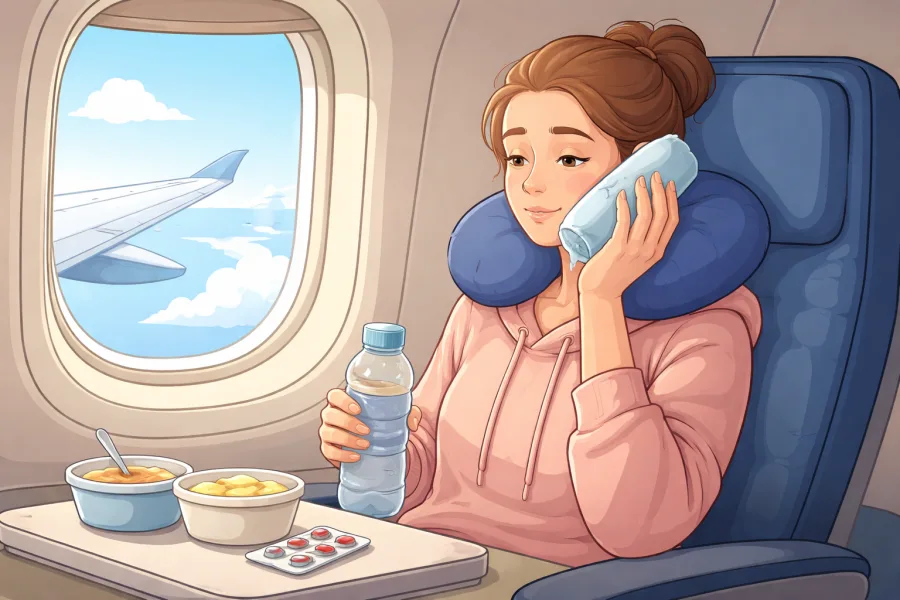
Traveling by air shortly after oral surgery is a common scenario, especially in a vibrant international travel hub like South Florida. Whether you are a student heading back to university, an executive traveling for work, or an out-of-town patient visiting OFS Miami for specialized surgical care, wondering when it is safe to board an airplane is an essential question. While flying after simple dental work is generally harmless, wisdom tooth extraction involves deeper anatomical dynamics that require careful travel timing.
At Oral and Facial Surgery of Miami, board-certified oral and maxillofacial surgeon Dr. Johanny Caceres frequently counsels traveling patients. Understanding how airplane cabin pressure affects surgical wounds, sinus cavities, and clotting stability ensures you travel safely without risking sudden medical distress at 35,000 feet.
Barometric Pressure and Surgical Sockets: The Science of Cabin Altitudes
Commercial passenger aircraft cruise at altitudes between 30,000 and 40,000 feet, with interior cabin pressures artificially regulated to an equivalent altitude of 6,000 to 8,000 feet above sea level. According to Boyle's law of physics, as atmospheric barometric pressure drops, trapped gasses naturally expand. In your body, this pressure shift creates two distinct physiological challenges for recent surgical sites:
First, microscopic air pockets trapped within healing bone sockets or inflamed periodontal tissues expand against sensitive nerve endings, triggering intense, pulsating facial pain. Second, changes in vascular pressure can stimulate fresh bleeding from fragile capillary beds. If upper wisdom teeth were extracted, their close proximity to the maxillary sinus floor means cabin pressure fluctuations can cause excruciating sinus squeeze, sinus headaches, and nosebleeds.
| Procedure Complexity | Minimum Safe Wait Time | Primary In-Flight Risk |
|---|---|---|
| Simple Erupted Extraction | 48 hours | Minor clot oozing and dehydration-induced socket soreness |
| Full Bony Impaction Removal | 3 to 5 days | Severe barometric throbbing, peak swelling, difficulty managing trismus in-flight |
| Upper Molar with Sinus Exposure | 7 to 10 days | Acute barotrauma, sinus membrane rupture, epistaxis (nosebleeds) |
| Surgical Bone Grafting | 7 to 14 days | Displacement of biomaterials under pressure fluctuations |
Recommended Flight Timelines: When Is Flying Truly Safe?
As a general clinical rule, oral surgeons advise waiting a minimum of 48 to 72 hours before flying after routine wisdom tooth extractions. The first three days are when post-operative swelling peaks, bleeding is most likely, and the primary blood clot is at its most fragile state.
If your surgery involved deeply impacted lower molars requiring bone removal, waiting four to five days allows inflammation to recede before exposing your body to travel fatigue. In cases where an upper tooth root bordered or perforated the maxillary sinus floor (requiring sinus precautions), air travel should be postponed for seven to ten days to prevent barometric pressure from blowing open the delicate sinus seal.
In-Flight Emergency Kit and Travel Comfort Strategies
If you must fly shortly after oral surgery, prepare an in-flight recovery kit in your carry-on bag to manage unexpected symptoms:
- Sterile Gauze and Tea Bags: Pack sterile 2x2 gauze pads and damp black tea bags. If cabin pressure triggers minor bleeding, biting firmly on a caffeinated tea bag introduces tannic acid, which constricts vessels and stops bleeding quickly.
- Prescribed Medications in Carry-On: Never pack pain relievers or antibiotics in checked luggage. Keep medications readily accessible and take an anti-inflammatory 45 minutes prior to boarding.
- Continuous Hydration Without Straws: Aircraft cabin humidity drops to 10% to 20%, drying out oral mucous membranes. Sip water frequently from a bottle or cup, but never use an airline drinking straw.
- Nasal Saline Spray: A gentle saline mist keeps nasal passages moist and equalizes sinus pressure during ascent and descent.
Pre-Travel Surgical Planning with Dr. Johanny Caceres at OFS Miami
If you anticipate upcoming travel, inform our surgical team during your initial consultation. Dr. Johanny Caceres uses 3D CBCT imaging to evaluate your maxillary sinuses and root depths, timing your procedure to accommodate your travel calendar safely.
With customized IV sedation, meticulous surgical wound closure, and comprehensive travel clearances, our team ensures you heal smoothly whether at home or on the road.
Plan your procedure with travel safety in mind. Contact Oral and Facial Surgery of Miami today at (305) 552-1193 or book your consultation online today.