
Oral Surgery Sedation Explained in Simple Terms
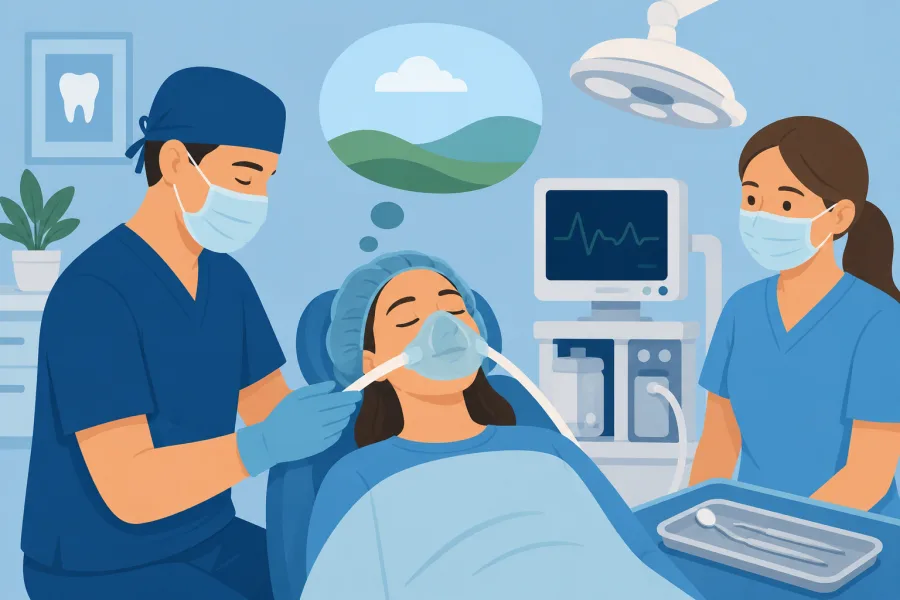
When preparing for oral surgery, hearing that you will be put to sleep often elicits questions and feelings of apprehension. Many people immediately picture hospital operating rooms, large breathing tubes, and lengthy wake-up periods. However, outpatient oral surgery sedation is significantly different, much gentler, and exceptionally safe when administered by a trained specialist.
At Oral and Facial Surgery of Miami, board-certified oral and maxillofacial surgeon Dr. Johanny Caceres maintains rigorous hospital-level anesthesia training. Explaining exactly what happens during intravenous sedation helps patients approach their surgical care with total peace of mind.
Understanding Sedation Levels: Twilight IV Sedation vs General Anesthesia
The term being put to sleep is commonly used in casual conversation, but in modern outpatient oral surgery, it usually refers to deep intravenous moderate-to-deep sedation, known as twilight sleep. This differs substantially from hospital-based general anesthesia.
During hospital general anesthesia, complete neuromuscular blockade suppresses natural breathing, requiring an endotracheal breathing tube and mechanical ventilator. In contrast, outpatient IV sedation administered by Dr. Caceres induces a deeply relaxed state where you drift into sleep while continuously maintaining your own protective airway reflexes and breathing unassisted. You experience zero pain, zero awareness of surgical noises, and wake up with complete amnesia of the entire appointment.
| Sedation Level | Patient State | Airway Function | Typical Clinical Procedure |
|---|---|---|---|
| Local Anesthesia Only | Fully awake, surgical site completely numb | Fully normal and spontaneous | Minor soft tissue biopsies or single loose tooth removals |
| Nitrous Oxide (Inhalation) | Conscious, calm, fully responsive to questions | Spontaneous and unaffected | Mild anxiety during simple dental procedures |
| Intravenous Twilight Sedation | Asleep, relaxed, total amnesia of surgery | Maintains own natural breathing reflexes | Impacted wisdom teeth, dental implants, bone grafting |
| Hospital General Anesthesia | Completely unconscious and unresponsive | Breathing tube and ventilator required | Complex orthognathic corrective jaw surgery and trauma repair |
Safety Protocols and Continuous Physiological Monitoring
Oral and maxillofacial surgeons undergo four to six years of intensive hospital-based surgical residency, including dedicated rotations in hospital anesthesiology. This advanced medical background provides oral surgeons with the highest level of in-office anesthesia credentials in dentistry.
Throughout your procedure at our Coral Gables facility, Dr. Caceres and certified surgical assistants continuously track vital life signs. Advanced digital monitoring arrays record heart rhythm via electrocardiogram (ECG), blood oxygen saturation through pulse oximetry, non-invasive blood pressure, and carbon dioxide exhalation via capnography. Emergency equipment, oxygen reserves, and rapid reversal medications are constantly on hand, maintaining the gold standard of clinical safety.
Preparation Guidelines: Fasting Rules and Medication Timelines
Ensuring your sedation proceeds without interruption requires strict adherence to pre-operative instructions. The most vital rule is fasting (NPO guidelines). Patients must consume no food, candy, milk, or juices for at least eight hours prior to their appointment, with clear water prohibited for the final two hours.
Fasting ensures that your stomach is completely empty, eliminating the risk of pulmonary aspiration during sedation. You must also arrange for a responsible adult companion to accompany you to the office, remain on-site during surgery, drive you home safely, and assist you for the remainder of the day. Wear loose, short-sleeved clothing to allow comfortable placement of blood pressure cuffs and monitoring sensors.
The Recovery Phase and What to Expect at OFS Miami
Once your surgical procedure is finished, the administration of intravenous medications stops immediately. Because modern sedative medications are rapidly cleared by the body, you will begin waking up within minutes in our tranquil recovery suite.
It is completely normal to feel mildly drowsy or lightheaded for the first hour or two following treatment. Long-acting local numbing agents placed while you were asleep keep the surgical area numb for four to six hours, allowing you to settle into bed at home before feeling any soreness. Our staff reviews all post-operative medications and home care instructions thoroughly with your escort before you leave.
Experience comfortable, stress-free surgical care. Contact Oral and Facial Surgery of Miami today at (305) 552-1193 or schedule your consultation online today.