
When Can You Exercise After Tooth Removal?
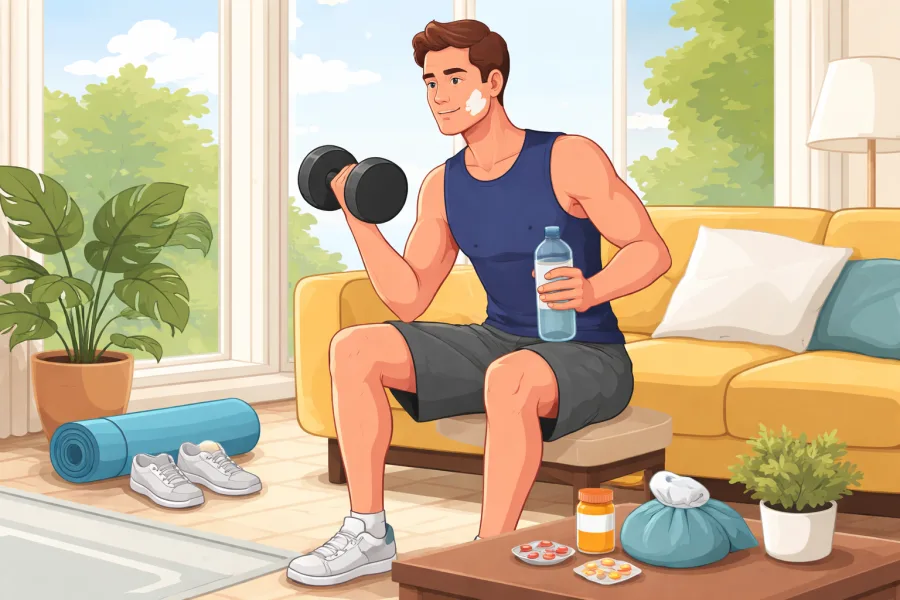
For dedicated athletes, fitness enthusiasts, and active adults across South Florida, being told to pause physical training after a tooth extraction can feel challenging. Exercise is essential for physical health, stress reduction, and mental focus. However, tooth removal creates an open surgical wound in the alveolar bone that relies entirely on a delicate biological blood clot to heal. Returning to vigorous workouts, heavy weightlifting, or high-intensity cardio too quickly introduces hemodynamic forces that jeopardize recovery.
At Oral and Facial Surgery of Miami, board-certified oral and maxillofacial surgeon Dr. Johanny Caceres guides patients through safe, stage-by-stage postoperative protocols. Understanding the cardiovascular mechanisms linking physical exertion to extraction socket complications helps patients in Coral Gables resume exercise safely without risking painful dry sockets or secondary bleeding episodes.
Hemodynamics: Why Physical Exertion Threatens Socket Healing
When a tooth root is removed from its socket, the primary physiological requirement for bone regeneration is the establishment and stabilization of an intraluminal blood clot. This fibrin scaffold shields exposed alveolar bone walls and delicate nerve endings while delivering growth factors that initiate tissue repair. During the initial forty-eight hours, this newly formed clot is fragile and easily dislodged.
Vigorous exercise increases cardiac output, significantly elevating systemic blood pressure and cranial vascular flow. When arterial pressure surges through delicate facial capillaries, it exerts localized hydrostatic pressure directly against the healing socket. This hemodynamic surge can blow the blood clot out of the socket or cause persistent rebound hemorrhage. Losing the blood clot results in alveolar osteitis, commonly known as a dry socket, exposing raw bone and causing intense throbbing pain radiating toward the ear and temple.
Recovery Milestones: Simple Extraction vs Surgical Removal
The timeline for resuming physical activity depends directly on the surgical invasiveness of your tooth removal. A routine simple extraction of a single-rooted incisor involving minimal bone expansion requires twenty-four to forty-eight hours of physical rest. By day three, patients can typically resume brisk walking or light elliptical training, provided heart rates remain modest and biting pressure is avoided.
Conversely, surgical tooth extractions, including impacted wisdom teeth or multi-rooted molars requiring bone removal and sutures, demand a longer downtime. Patients undergoing surgical extractions should refrain from strenuous cardiovascular workouts and weight training for at least five to seven days. Attempting heavy deadlifts, bench presses, or cross-training during the first week triggers involuntary jaw clenching and the Valsalva maneuver, dramatically increasing intraoral pressure and disturbing surgical sutures.
| Post-Op Timeline | Allowed Physical Activity | Prohibited Movements | Clinical Purpose |
|---|---|---|---|
| Days 1 to 2 (0 to 48 Hours) | Strict rest, gentle walking around the home | All running, lifting, bending over, or straining | Establishes and protects initial blood clot formation |
| Days 3 to 4 | Light walking, gentle stationary cycling | Heavy resistance training, sprinting, inverted yoga | Prevents blood pressure surges as swelling peaks |
| Days 5 to 7 | Moderate cardio, bodyweight calisthenics | Heavy compound lifts requiring Valsalva maneuver | Avoids teeth clenching and protects healing gum tissue |
| Day 8 Onward | Full return to gym, competitive sports, running | Contact sports without protective headgear | Socket has completed primary granulation coverage |
Hydration, Electrolytes, and Nutrition for Active Patients
When you begin reintroducing physical activity, maintaining proper systemic hydration is essential in South Florida's warm climate. However, how you hydrate is just as important as how much you drink. Drinking through a straw creates negative intraoral suction that can instantly dislodge stabilizing blood clots. Always drink fluids directly from an open cup or wide-mouthed sport bottle.
In addition, intense exercise requires adequate caloric fuel. Following an extraction, chewing solid proteins can be difficult. Active individuals should consume nutrient-rich liquid and pureed foods, such as Greek yogurt smoothies, bone broths, and scrambled eggs, to provide the amino acids and micronutrients required for collagen synthesis and tissue healing before burning calories during workouts.
Safe Surgical Care and Recovery in Coral Gables
Listening to your body is the ultimate guide when returning to fitness after oral surgery. If you begin jogging or lifting weights and notice a rhythmic throbbing in your jaw, taste blood in your mouth, or feel lightheaded, stop immediately, sit upright, and rest. These symptoms indicate that your heart rate and blood pressure are too elevated for your current stage of healing.
At Oral and Facial Surgery of Miami, Dr. Johanny Caceres provides clear, personalized postoperative exercise recommendations tailored to each patient's athletic lifestyle and surgical procedure. To discuss your treatment plan or schedule an extraction consultation, contact our office at (305) 552-1193 or book your consultation online.