
Can You Drink Coffee After Wisdom Tooth Removal?
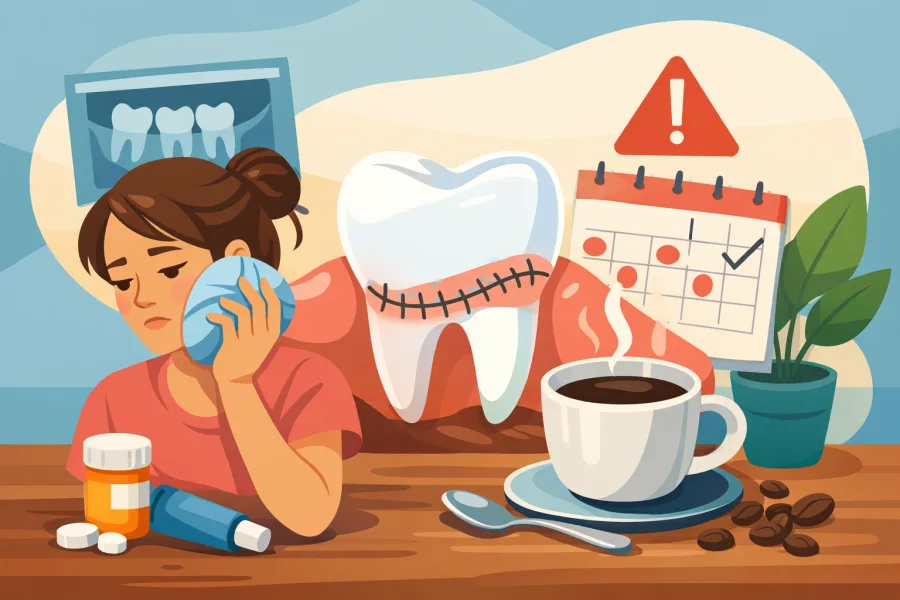
For many patients, the morning ritual of a freshly brewed cup of coffee is an essential part of daily life. When preparing for wisdom tooth removal, one of the most immediate lifestyle questions asked chairside is: how soon can I drink my coffee? If you depend on caffeine to start your morning or ward off withdrawal headaches, the prospect of going without it can feel daunting.
However, oral surgery creates a fresh wound that requires specific thermal and mechanical conditions to heal. Consuming hot coffee or drinking through a straw too early can destroy the early healing matrix and trigger severe complications. At Oral and Facial Surgery of Miami in Coral Gables, Dr. Johanny Caceres provides chairside recovery protocols that protect your surgical site while helping you safely navigate your caffeine needs.
1. The Triple Threat of Early Coffee: Heat, Caffeine, and Oral Suction
Coffee poses three distinct biological hazards to an extraction socket during the acute recovery window:
- Thermal Lysis and Vasodilation: Freshly brewed coffee is served at temperatures between 140 and 160 degrees Fahrenheit. Introducing intense heat into the mouth causes immediate localized vasodilation, swelling, and thermal breakdown of the nascent fibrin meshwork. The heat can literally dissolve the protective blood clot, leading to secondary bleeding and exposed bone.
- Caffeine-Induced Blood Pressure Spikes: Caffeine is a central nervous system stimulant and vasoconstrictor that temporarily raises systemic arterial blood pressure. In a healing socket where fragile microcapillaries are organizing, sudden blood pressure spikes can rupture immature clots and trigger active oozing.
- Negative Intraoral Suction from Straws: Many patients reach for iced coffee as an alternative to avoid heat. However, drinking iced beverages through a straw generates negative atmospheric pressure inside the oral cavity. This vacuum suction pulls directly on the alveolar socket, dislodging the blood clot and causing acute alveolar osteitis (dry socket).
- Acidity and Tissue Irritation: Coffee possesses a low pH (typically between 4.85 and 5.10). This natural acidity stings raw surgical incisions, irritates exposed mucosa, and alters salivary pH during early cell proliferation.
2. Biological Socket Timeline: When Coffee Becomes Clinically Safe
Understanding the microscopic timeline of socket repair allows you to reintroduce coffee at the right temperature without risking complications:
- Hours 0 to 24 (The Strict Prohibition Window): Zero coffee of any kind. During the first full day, your body is concentrating entirely on forming a stable fibrin clot. Stick exclusively to cool or room-temperature plain water or non-acidic electrolyte drinks.
- Hours 25 to 48 (The Cautious Cold Phase): If active bleeding has completely stopped, you may sip modest amounts of room-temperature or cold brew coffee directly from an open cup. You must never use a straw or drink piping-hot coffee during this window.
- Days 3 to 5 (The Lukewarm Transition): Granulation tissue begins covering the socket floor, significantly reducing the risk of dislodgement. You may enjoy warm or lukewarm coffee, provided you sip gently and rinse your mouth with plain water afterward.
- Day 6 and Beyond (Return to Normal Routines): Most patients who underwent routine extractions can safely resume hot coffee, provided swelling has resolved and surgical incisions feel comfortable.
3. Coffee Consumption Formats and Risk Profile: Clinical Comparison Table
Evaluating how different coffee preparations affect the healing surgical socket helps you choose the safest option during recovery:
| Coffee Style & Delivery | Primary Hazard Mechanism | Dry Socket Risk Level | Earliest Safe Timing |
|---|---|---|---|
| Piping Hot Drip or Espresso | Thermal lysis, capillary engorgement, and clot melting | Severe | Day 5 to 7 post-op |
| Iced Coffee via Straw | Negative intraoral pressure pulling clot from socket | Critical | Day 10 to 14 post-op |
| Lukewarm Coffee from Open Cup | Mild acidity; minimal thermal or suction impact | Moderate (Low if sipped) | Day 3 post-op |
| Cold Brew Sipped from Open Cup | No heat danger; low acid if cold-brewed; gentle sipping | Minimal | After 48 hours |
4. Managing Caffeine Withdrawal with Dr. Johanny Caceres in Coral Gables
If you consume multiple cups of coffee daily, abrupt caffeine cessation can cause throbbing withdrawal headaches that confuse post-operative pain management. To prevent this, Dr. Johanny Caceres recommends gradually tapering your daily caffeine intake during the week leading up to your scheduled surgery.
If a caffeine headache emerges on day two of recovery, do not turn to boiling coffee. Instead, consider:
- Taking your prescribed or recommended acetaminophen or non-steroidal analgesics with plenty of room-temperature water
- Sipping half a cup of room-temperature, low-acid coffee slowly from an open mug
- Applying cold compresses to the sides of your head and jaw to soothe tension
- Gently bathing your mouth with plain water after drinking coffee, letting the liquid roll out of your mouth into the sink without forceful spitting
If you notice persistent throbbing pain radiating toward your ear, bad breath, or active bleeding after drinking coffee, contact your oral surgeon immediately. At Oral and Facial Surgery of Miami, Dr. Johanny Caceres provides compassionate, personalized post-surgical care. contact our office at (305) 552-1193 or book your consultation online for expert surgical solutions.