
How Often Should You Really Replace Your Toothbrush?
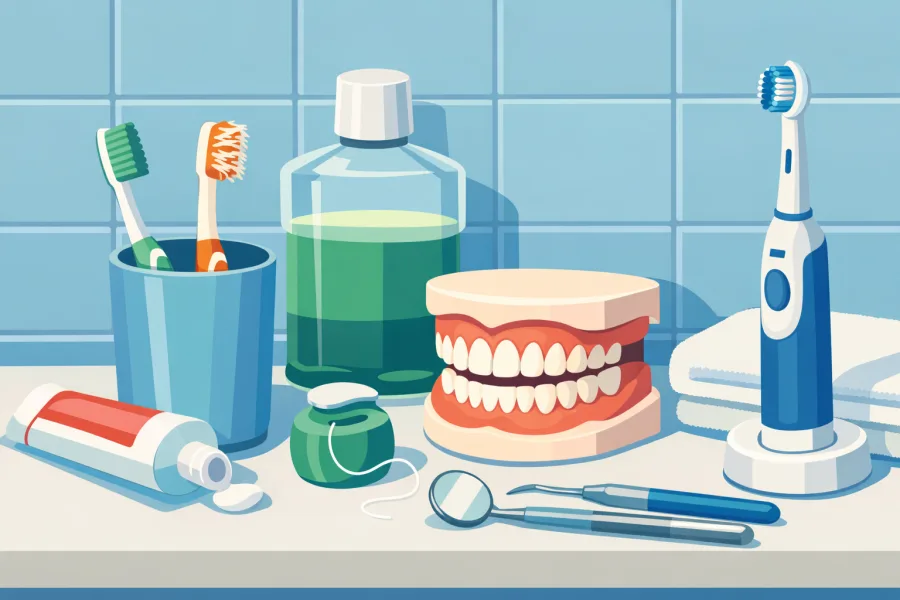
Your toothbrush is the primary mechanical instrument you rely on twice every day to disrupt pathogenic oral biofilm and preserve your smile. However, like any precision tool subjected to daily friction and moisture, toothbrushes wear out over time. Continuing to use a worn, splayed, or contaminated toothbrush severely impairs plaque removal and can inflict irreversible physical damage on your gums and enamel.
At Oral and Facial Surgery of Miami, board-certified oral and maxillofacial surgeon Dr. Johanny Caceres frequently treats gingival recession, cervical enamel abrasions, and advanced oral infections. Understanding the clinical science behind toothbrush replacement ensures your daily hygiene remains safe, effective, and protective.
The Microbiology and Mechanical Wear of Toothbrush Bristles
When newly manufactured, toothbrush nylon bristles feature rounded, polished tips engineered to glide across enamel and flex gently beneath the gingival margin. Over weeks of daily use, mechanical friction against abrasive toothpaste blunts these smooth ends, causing bristles to fray, splay outward, and develop sharp, jagged micro-edges.
Beyond mechanical breakdown, toothbrushes become colonized by diverse microbial populations. Every time you brush, millions of bacteria from your mouth transfer to the bristles. Storing a toothbrush in a moist bathroom environment encourages the proliferation of oral streptococci, staphylococci, and airborne moisture-loving microbes. Re-inoculating these high bacterial loads into your mouth each day can undermine your oral immune defenses.
| Toothbrush Lifespan Phase | Bristle Micro-Architecture | Bacterial Biofilm Colonization | Clinical Impact on Teeth & Gums |
|---|---|---|---|
| Weeks 1 to 8 (Optimal Phase) | End-rounded, flexible, upright bristles | Low; easily rinsed clean with tap water | Maximum plaque removal without tissue abrasion |
| Weeks 9 to 12 (Threshold Phase) | Initial splaying, mild loss of bristle elasticity | Moderate microbial colonization at bristle base | Plaque removal efficiency drops by 30% to 40% |
| 3+ Months (Overused Phase) | Severely flared, flattened, sharp jagged tips | Heavy biofilm matrix and fungal spores | Enamel scratching, gingival recession, root notches |
The Three-Month Standard and Biological Replacement Triggers
The American Dental Association (ADA) recommends replacing your manual toothbrush or electric toothbrush head every three to four months. By this point, even high-quality synthetic bristles have lost the structural resilience required to sweep plaque from between teeth and beneath the gumline.
However, certain biological circumstances demand immediate toothbrush replacement regardless of age. If you have recently recovered from an illness such as a viral upper respiratory infection, strep throat, influenza, or oral herpes (cold sores), throw your toothbrush away immediately. Virulent pathogens remain viable on wet bristles for days, increasing the risk of reinfection. In addition, if bristles begin splaying outward before three months have passed, you are brushing with excessive mechanical pressure and need to replace the brush immediately while lightening your grip.
Bristle Splaying, Enamel Abrasion, and Gingival Recession Risks
Continuing to brush with flared, overused bristles poses severe structural hazards. When bristles bend outward, they no longer reach into tight interproximal gaps where plaque originates. Patients often compensate by scrubbing harder, dragging sharp, blunted bristle shafts across the delicate cervical necks of teeth.
This aggressive friction creates wedge-shaped defects known as cervical abrasions, gouging channels into softer root dentin. Over time, heavy scrubbing with frayed bristles causes permanent gingival recession, exposing vulnerable root surfaces to rapid decay and extreme thermal sensitivity.
Comprehensive Preventative and Surgical Care at OFS Miami
A clean, properly maintained toothbrush is your first line of defense, but specialized surgical oversight is essential when advanced oral issues arise. At our practice, Dr. Johanny Caceres collaborates with general dentists across South Florida to manage complex cases.
If aggressive brushing habits, chronic gum disease, or decay have resulted in compromised root stability or tooth loss, our surgical facility provides advanced restorative options. From soft tissue grafting to state-of-the-art dental implants placed under comfortable IV twilight sedation, we help you restore a stable, healthy smile.
Protect your smile with specialized oral care. Contact Oral and Facial Surgery of Miami at (305) 552-1193 or schedule your consultation online today.