
How Untreated Dental Problems Can Turn Into Major Oral Surgery
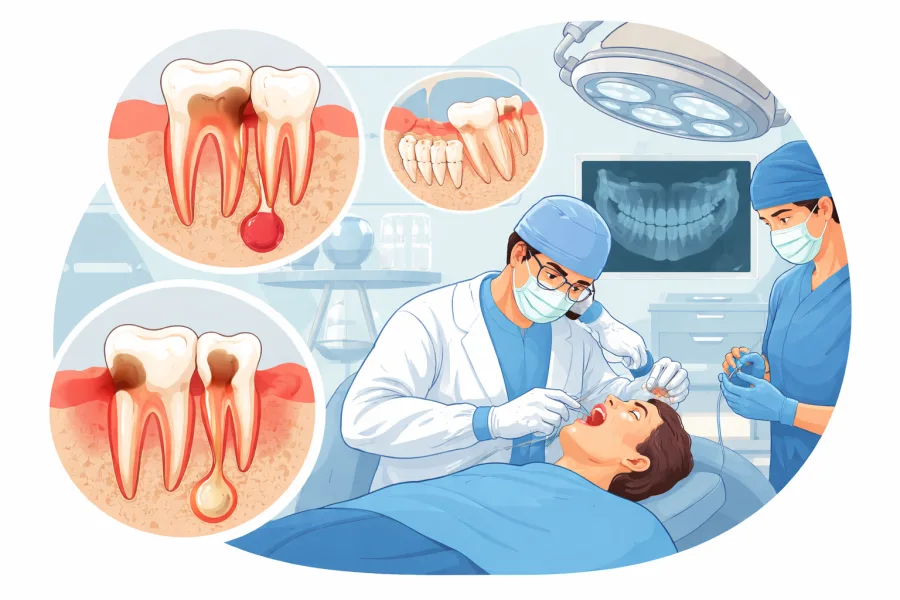
Minor dental issues rarely remain stationary. What begins as faint temperature sensitivity, an isolated spot of localized plaque, or occasional bleeding during brushing can steadily erode protective enamel and underlying alveolar bone. In South Florida, patients frequently postpone routine general dental treatment due to busy professional schedules or mild anxiety, assuming that painless conditions present no immediate urgency. However, oral pathology is inherently progressive. Dental decay and chronic bacterial colonization migrate downward toward the root apex, transforming manageable restorative dental visits into complex surgical operations.
At Oral and Facial Surgery of Miami, board-certified oral and maxillofacial surgeon Dr. Johanny Caceres routinely treats severe facial infections, extensive alveolar ridge resorption, and deeply fractured teeth that started as basic cavities or untreated gingivitis. Understanding the biological cascade of untreated dental pathology empowers patients to seek timely intervention before destructive tissue loss mandates hospital admissions, advanced bone grafting, or extensive surgical extractions.
The Biological Cascade from Enamel Decay to Periapical Abscess
Tooth enamel represents the hardest biological tissue in the human body, but it cannot regenerate once acid-producing bacteria breach its outer perimeter. When enamel erosion remains unrestored, anaerobic oral bacteria penetrate the underlying dentinal tubules. Dentin is far more porous, allowing rapid bacterial multiplication toward the central dental pulp chamber. Once microbial toxins reach the pulp, the internal neurovascular tissue experiences acute inflammation, leading to irreversible pulpitis and eventual pulpal necrosis.
When the pulpal tissue completely dies, acute nerve pain may temporarily fade, giving patients the false impression that the infection resolved on its own. In reality, the bacterial colony expands beyond the root apex into the surrounding jawbone. This chronic periapical abscess causes osteolytic bone destruction, eroding the alveolar socket. If an endodontic root canal fails or the structural integrity of the natural crown is compromised, complete surgical extraction combined with socket bone preservation becomes mandatory to stabilize the jaw for future restorative options.
Periodontal Destruction and Alveolar Bone Resorption
Periodontal disease is another primary gateway to surgical oral procedures. Gingivitis begins at the gumline as superficial soft tissue inflammation triggered by accumulated biofilm. Left untreated by professional cleanings, subgingival calculus forms and harbors pathogenic bacteria that dismantle periodontal ligament fibers. The immune response produces inflammatory enzymes that attack host bone, generating deep periodontal pockets that home hygiene cannot cleanse.
As horizontal and vertical bone loss accelerates, teeth lose foundational support and become hypermobile. Beyond tooth loss, severe periodontal deterioration destroys the vertical bone height needed to anchor dental implants. In these advanced scenarios, patients require surgical tooth extraction followed by specialized guided bone regeneration, sinus augmentations, or complex block grafts to rebuild the jawbone prior to permanent tooth replacement.
| Initial Dental Issue | Pathological Progression | Required Surgical Intervention | Preventive Action |
|---|---|---|---|
| Superficial Enamel Caries | Pulpal necrosis and apical osteolytic bone loss | Surgical tooth extraction and socket preservation | Routine composite dental filling |
| Marginal Gingivitis | Periodontitis with extensive alveolar bone resorption | Full-mouth extractions and ridge augmentation | Semi-annual dental hygiene cleanings |
| Unrestored Cracked Molar | Vertical root fracture extending below the crestal bone | Surgical sectioning, flap reflection, and bone grafting | Protective crown placement or night guard |
| Partially Erupted Third Molar | Recurrent pericoronitis, deep fascial infection, or cyst | Surgical wisdom tooth removal and cystic enucleation | Early radiographic screening and extraction |
Deep Fascial Space Infections and Systemic Risks
The human jaw is intimately linked to complex fascial compartments in the head and neck. When a localized dental abscess breaches the cortical bone of the mandible or maxilla, purulent exudate enters deep fascial spaces. Infections originating in mandibular molars can rapidly track into the submandibular, sublingual, and lateral pharyngeal spaces, resulting in Ludwig angina. This severe condition produces firm submental swelling, elevated tongue posture, and dangerous airway compromise requiring emergent surgical incision, external drainage, and intravenous antibiotic therapy.
Similarly, untreated maxillary dental infections can penetrate the floor of the maxillary sinus, triggering chronic odontogenic sinusitis, orbital cellulitis, or cavernous sinus thrombosis. In diabetic or immunocompromised individuals, localized oral infections escalate with frightening speed. Oral and maxillofacial surgeons maintain intensive hospital training to manage these life-threatening emergencies, but early general dental care prevents these severe systemic complications entirely.
Preventing Surgical Complications with Timely Coral Gables Care
Preventing advanced oral surgery begins with recognizing subtle warning signs and maintaining regular diagnostic evaluations. Unexplained bad breath, tenderness while chewing, loose teeth, or recurrent localized swelling warrant immediate evaluation by a licensed dental professional. Addressing structural cracks, replacing defective restorations, and managing third molars before they cause adjacent tooth resorption shields patients from emergency surgeries and lengthy recovery periods.
If neglect or dental trauma has advanced beyond conservative repair, partnering with a qualified surgical specialist ensures optimal functional and aesthetic restoration. At Oral and Facial Surgery of Miami, Dr. Johanny Caceres utilizes advanced 3D cone beam computed tomography to assess bone density, nerve proximity, and sinus health, designing tailored treatment plans that restore oral stability. To schedule a surgical evaluation or discuss tooth preservation options, contact our Coral Gables surgical team at (305) 552-1193 or book your consultation online.