
How to Travel Comfortably with Wisdom Tooth Pain
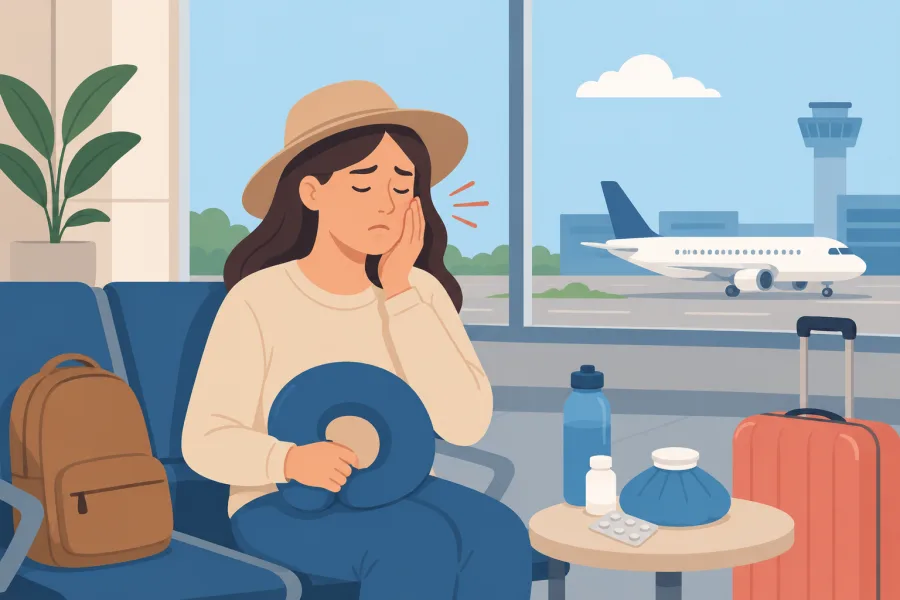
Few travel disruptions are as miserable as a sudden, throbbing wisdom tooth flare-up at 35,000 feet or halfway through an overseas business trip. Third molar pain rarely strikes at a convenient time. When pressurized cabin air, irregular sleep schedules, and travel stress collide with an impacted or partially erupted tooth, minor baseline discomfort can escalate into an agonizing dental emergency far from your regular doctor.
Whether you are departing from Miami International Airport for a transatlantic vacation or driving across Florida, taking the right precautions can protect your travel itinerary. At Oral & Facial Surgery of Miami, board-certified oral surgeon Dr. Johanny Caceres helps travelers understand the physiological triggers of travel-related tooth pain, pack an effective medical kit, and navigate unexpected flare-ups safely.
1. The Aviation Factor: Why Flying Intensifies Wisdom Tooth Pain
If you have ever experienced a sudden spike in dental throbbing shortly after your flight reached cruising altitude, you have encountered barodontalgia, commonly referred to as "flyer's tooth." This phenomenon is rooted in basic physics and craniofacial anatomy.
According to Boyle's law, as atmospheric pressure drops inside a pressurized aircraft cabin (which typically maintains an atmospheric equivalent of 6,000 to 8,000 feet above sea level), trapped pockets of gas expand. If you have an impacted lower wisdom tooth with an inflamed gum flap (pericoronitis), or an upper molar pressing against the floor of the maxillary sinus, microscopic air pockets trapped beneath tissue or inside inflamed dental pulp expand outward. This expansion exerts severe pressure directly against sensory nerve endings.
Furthermore, commercial aircraft cabins circulate extremely dry air, with relative humidity often dropping below 15%. This arid environment causes rapid dehydration of oral mucosa, reducing the volume of protective antimicrobial saliva and allowing oral bacteria to proliferate around partially erupted molars during long flights.
| Travel Scenario | Physiological Trigger | Actionable Travel Strategy |
|---|---|---|
| In-Flight Ascent / Cruising | Cabin pressure drops, expanding gas trapped beneath swollen gum flaps (barodontalgia). | Take a synergistic dose of ibuprofen and acetaminophen 60 minutes before boarding; sip room-temperature water. |
| Long Road Trips / Driving | Prolonged posture, clenching from traffic stress, and poor hydration trigger masseter muscle spasms. | Use lumbar support, take regular stretching breaks, and avoid crunchy, hard road-trip snacks like chips or jerky. |
| Post-Op Travel (Within 7 Days) | Atmospheric pressure changes and mechanical vibrations risk dislodging early blood clots. | Strictly avoid drinking through straws in airports or airplanes; carry sterile gauze and black tea bags in your personal bag. |
| International Stays / Cruises | Limited access to specialized oral surgeons if a localized infection spreads into fascial spaces. | Carry written documentation of your dental history, international emergency clinic contacts, and prescribed antibiotics. |
2. The Traveler's Dental First-Aid Kit: What to Pack in Your Carry-On
Never place your dental emergency supplies in checked luggage. If bags are delayed or lost, you will be stranded without relief. Assemble a compact, TSA-compliant kit in your carry-on bag containing:
Multimodal Analgesics: Pack both ibuprofen (Advil/Motrin) and acetaminophen (Tylenol). Alternating these medications provides powerful anti-inflammatory and central pain relief without causing drowsiness or the risk of narcotic side effects during travel.
Individual Salt Packets: Single-serve table salt packets take up virtually no space and allow you to mix warm saltwater rinses in any hotel room, airport lounge, or restaurant restroom. Rinsing gently with warm saltwater after every meal cleanses trapped food debris from under gum flaps.
A Refillable Silicone Ice Bag: Gel packs cannot pass through TSA security checkpoints when thawed. Instead, pack an empty, screw-top silicone ice bag. Once you clear security or board your aircraft, flight attendants or airport restaurants will gladly fill it with crushed ice for external jaw therapy.
Black Tea Bags: If you recently had a tooth extracted and experience unexpected oozing caused by cabin pressure, biting firmly on a damp black tea bag rapidly controls bleeding thanks to its natural astringent tannic acid.
3. In-Transit Strategies: Surviving Long Flights and Highway Drives
How you manage your habits while en route directly determines whether your wisdom tooth pain remains manageable or flares into an acute crisis.
Hydrate with Room-Temperature Fluids: Avoid iced sodas or piping-hot coffee during travel. Extreme temperatures can trigger intense thermal shock in hyper-sensitive tooth roots. Drink plain, room-temperature water continuously to counteract low cabin humidity and maintain healthy salivary flow.
Choose Soft, Non-Granular Travel Foods: Airport food is notoriously packed with hard pretzels, tough crusty sandwiches, and chips. Forcing your jaw to chew hard textures overworks inflamed masticatory muscles and pushes sharp food fragments deep into the gingival pocket surrounding your wisdom tooth. Opt for oatmeal, bananas, creamy yogurts, and smooth soups.
Practice Passive Rinsing: When rinsing your mouth in an airplane lavatory or rest stop, never swish vigorously or spit forcefully. Swish gently, tilt your head forward over the sink, and let the water pour out naturally to avoid disturbing tissue margins.
4. Red Flags Abroad: When to Seek Immediate Emergency Care
While most wisdom tooth flare-ups can be managed temporarily with over-the-counter protocols until you return home, severe infections require urgent medical intervention. You should seek the nearest emergency department or dental hospital immediately if you experience:
- Severe trismus, where you cannot open your mouth wide enough to fit two fingers vertically.
- Swelling that extends visibly beneath the angle of your jaw, into your neck, or pushes the floor of your mouth upward.
- Difficulty swallowing your own saliva or shortness of breath.
- A high systemic fever over 101 degrees Fahrenheit accompanied by shaking chills and confusion.
The best way to ensure an uninterrupted, pain-free trip is to address problematic wisdom teeth before you pack your bags. If you notice mild jaw tenderness, gum swelling, or have upcoming travel plans, schedule a pre-trip examination and 3D CBCT scan with Dr. Johanny Caceres at Oral & Facial Surgery of Miami. Call our OFS Miami clinic at (305) 552-1193 or book your consultation online today.