
Jaw Surgery Risks and Benefits: What You Should Know Before Going Under
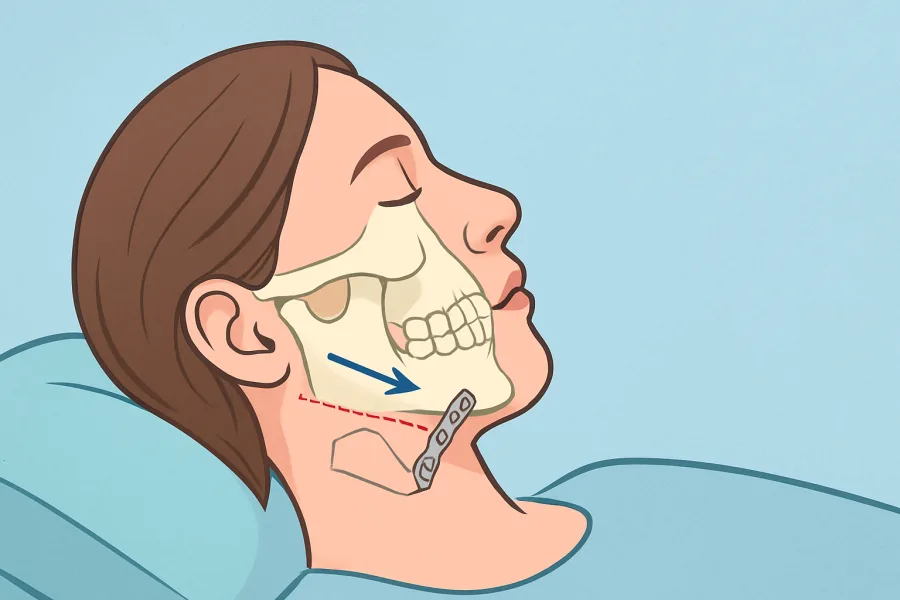
Deciding to undergo corrective jaw surgery (orthognathic surgery) is a significant life milestone. Whether you have spent years struggling with an open bite where your front teeth cannot meet, coping with a severe underbite that complicates chewing, or suffering from obstructive sleep apnea due to a recessed lower jaw, surgery offers a structural correction that braces alone can never achieve. Yet because orthognathic procedures involve surgical osteotomies of the facial skeleton, weighing the functional rewards against the surgical risks is essential for every prospective patient.
In this clinical guide, we explore the genuine advantages, biological risks, modern preventive protocols, and the interdisciplinary preparation required to make an informed, confident decision.
1. Anatomical Indications and Life-Changing Functional Benefits
Orthognathic surgery is not a cosmetic procedure; it is functional reconstructive surgery aimed at aligning skeletal discrepancies between the upper jaw (maxilla) and lower jaw (mandible). When jaws do not develop in harmony, the consequences extend far beyond aesthetics:
- Restoration of Chewing Mechanics: In a severe overbite (Class II retrognathia) or underbite (Class III prognathism), teeth touch only at tiny pinpoint contact points. Patients often cannot bite into an apple, slice through a sandwich, or adequately grind fibrous foods, leading to poor digestion and premature tooth wear. Repositioning the jaws distributes masticatory forces evenly across your entire arch.
- Airway Expansion and Sleep Apnea Relief: When the lower jaw sits abnormally back, the tongue base collapses into the airway during sleep. Maxillomandibular advancement (MMA) moves both jaws forward, widening the posterior pharyngeal airway. Clinical studies consistently demonstrate that MMA reduces the Apnea-Hypopnea Index (AHI) by 80% to 90%, providing many patients with a permanent alternative to lifelong CPAP machines.
- Temporomandibular Joint (TMJ) Decompression: Severe malocclusions force the jaw muscles to constantly strain to bring teeth together. This abnormal muscular compensation compresses the condyles inside the glenoid fossa. Realigning the skeleton often relieves chronic facial tension, muscular fatigue, and joint strain.
- Facial Harmony and Lip Competence: Patients with an open bite or recessed chin frequently suffer from lip incompetence, requiring active muscle effort just to close their lips. Repositioning the skeleton creates effortless lip closure, enhances chin projection, and establishes natural facial balance.
2. Objective Surgical Risks and Modern Prevention Protocols
Like any major surgical procedure under general anesthesia, corrective jaw surgery carries defined biological risks. Understanding the statistical frequency of these complications and knowing how oral and maxillofacial surgeons prevent them puts these risks into accurate clinical perspective.
| Potential Risk | Clinical Reality & Incidence | Surgeon Prevention & Mitigation Strategy |
|---|---|---|
| Neurosensory Alteration (Numbness) | Temporary lower lip/chin numbness is very common (neuropraxia); permanent sensory deficit occurs in less than 5% of cases. | High-resolution 3D CBCT imaging traces the exact path of the inferior alveolar nerve; gentle bone separation avoids direct nerve laceration. |
| Skeletal Relapse | Minor positional shift can occur if muscles exert counter-forces; major relapse rates remain under 3% in stable bone. | Rigid internal fixation with biocompatible titanium plates and bicortical screws holds segments immovably during bone fusion. |
| Intraoperative Blood Loss | Historically required transfusions; modern orthognathic surgery blood loss typically averages under 150 to 250 mL. | Deliberate hypotensive anesthesia, tranexamic acid administration, and specialized electrocautery prevent blood loss. |
| Infection or Delayed Union | Occurs in approximately 1% to 2% of healthy patients; higher in active nicotine users or uncontrolled diabetics. | Strict sterile surgical protocol, preoperative IV antibiotics, mandatory smoking cessation, and chlorhexidine rinses. |
The most common postoperative complaint is neurosensory paresthesia. Because the inferior alveolar nerve runs directly through the mandibular bone that is separated during surgery, stretching is unavoidable. In the vast majority of patients, nerve sensation gradually regenerates over 6 to 12 months, beginning with tingling and light prickling sensations before normal tactile feedback returns.
3. The Interdisciplinary Orthodontic and Surgical Journey
A common misconception is that you can visit an oral surgeon and have your jaw operated on the following week. In practice, orthognathic surgery is an interdisciplinary partnership between your orthodontist and your oral and maxillofacial surgeon that unfolds across distinct phases:
- Pre-Surgical Orthodontic Decompensation (12–18 Months): Over your lifetime, your teeth naturally tilt and tip to compensate for misaligned jaws. Before surgery can succeed, your orthodontist must reverse these natural compensations, aligning the teeth perfectly over their individual jawbones. During this phase, your bite may temporarily look or feel worse, which is expected before the skeletal foundations are corrected.
- 3D Virtual Surgical Planning (VSP): Weeks before surgery, digital CBCT scans and optical intraoral impressions are merged to construct a millimeter-precise 3D computer model of your skull. Your surgeon simulates the exact osteotomies on screen, calculates micro-movements, and 3D-prints custom surgical splints that guide the bone segments into place intraoperatively.
- The Hospital or Surgical Center Procedure: Orthognathic surgery is performed under general anesthesia with nasotracheal intubation (the breathing tube enters through the nose rather than the mouth, allowing the surgical team to bring your upper and lower teeth into full occlusion during surgery). Hospital stays range from outpatient discharge on the same day to an overnight observation stay.
- Post-Surgical Orthodontic Detailing (6–9 Months): Once your jaw bones stabilize around weeks 6 to 8, your orthodontist makes minor, subtle adjustments with elastics to dial in your bite to perfection.
4. Candidacy Evaluation and Consultation with Dr. Johanny Caceres
Ideal candidates for corrective jaw surgery meet several clinical criteria:
- Skeletal Growth Completion: The jaw bones must have finished their biological growth, typically reached around ages 16 to 18 for females and 18 to 21 for males.
- Documented Functional Impairment: Documented chewing difficulty, speech compromise, severe airway collapse, or TMJ pain supporting the medical necessity of the procedure.
- Commitment to Recovery: Willingness to maintain a non-chew liquid diet for several weeks and follow all post-operative hygiene protocols.
At our practice, Dr. Johanny Caceres, a board-certified oral and maxillofacial surgeon, provides comprehensive orthognathic evaluations for patients throughout South Florida. Leveraging state-of-the-art 3D imaging, computer-guided planning, and compassionate bedside care, Dr. Caceres ensures that every patient understands both the risks and the life-changing benefits before taking the next step.
To explore whether you are a candidate for orthognathic surgery, read our comprehensive guides on the jaw surgery recovery timeline, review jaw surgery insurance coverage criteria, or learn more about our bite correction surgery approach.
Take the first step toward restoring your bite, airway, and facial balance. Contact our Coral Gables office directly at (305) 552-1193 or schedule your private consultation online through our appointment reservation portal.